Russian Urban Murals: A Modern Renaissance of Public Art
The streets of Russian cities have long served as canvases for political expression and social narrative. However, the transition from the rigid monumentalism of the Soviet era to the vibrant, diverse street art of the 21st century represents a profound shift in cultural identity. This modern revival is not merely an import of Western graffiti culture but a distinct evolution that integrates complex Russian historical aesthetics with contemporary global techniques. From the grey panel buildings of Moscow to the industrial facades of Yekaterinburg, urban murals have become the most visible sign of a participatory public art movement.
Quick Answer
Russian urban murals have evolved from state-sponsored Soviet mosaics to a dynamic street art scene driven by independent artists. This movement blends historical aesthetics with modern social commentary, facilitated by festivals like Artmossphere. Key figures like Pasha 183 and collectives like ZukClub have transformed Russian cityscapes into open-air galleries, reflecting a shift from propaganda to personal and public expression.
What is the Russian Urban Mural Movement?
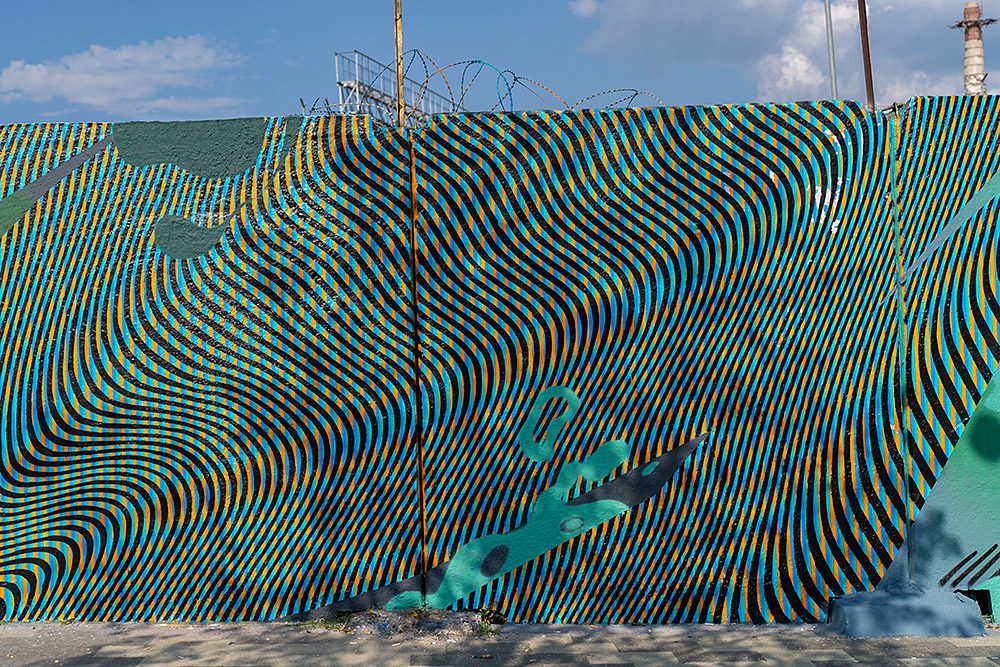
The Russian urban mural movement encompasses large-scale paintings on building facades, created often with permission from city authorities or property owners. Unlike the unsanctioned graffiti of the 1990s, the contemporary mural movement is characterized by legal walls, festivals, and a high degree of technical skill. These works range from photorealistic portraits to abstract geometric patterns. The movement serves as a bridge between the elite world of high art museums and the everyday experience of city residents. It reclaims the public space, which was formerly dominated by state ideology, for individual artistic expression and community dialogue.
From Soviet Propaganda to Perestroika
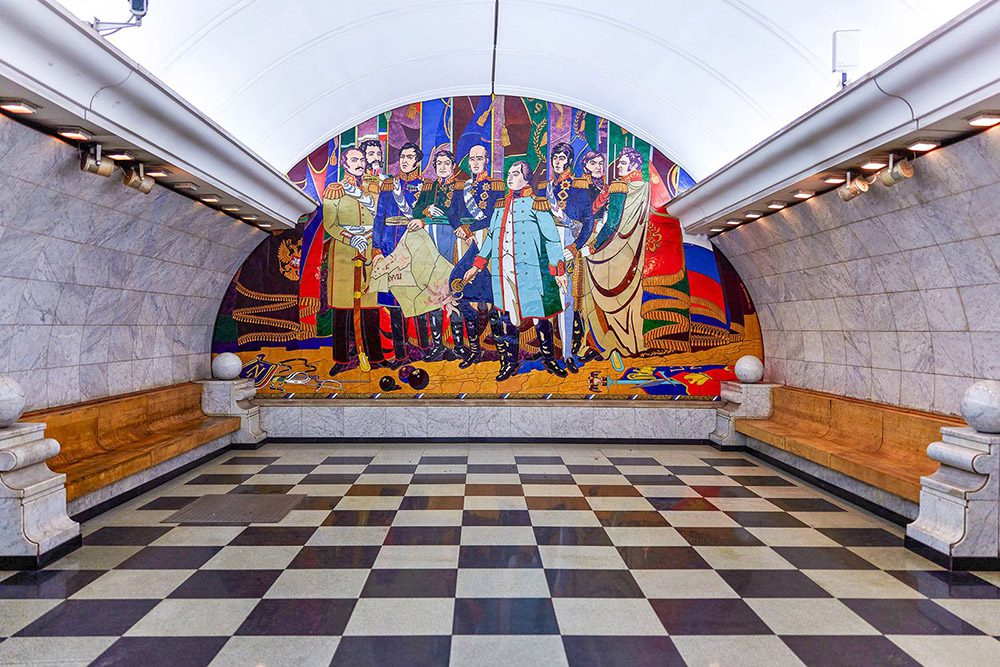
To understand the current mural scene, one must look back at the Soviet tradition of monumental art. During the Soviet period, the state commissioned vast mosaics and reliefs to decorate metro stations, government buildings, and cultural centers. These works were designed to instill socialist values and celebrate the proletariat. The aesthetic was grand, heroic, and strictly regulated. Artists like Alexander Deineka influenced generations with their stylized, optimistic depictions of labor and sport.
When the Soviet Union collapsed in 1991, this state sponsorship vanished. The 1990s saw a chaotic period where public spaces were often covered in aggressive, unsanctioned graffiti and advertisements. This era was crucial for developing the skills and techniques that would later be refined in the mural movement. It was a time of experimentation, where Western hip-hop culture influenced Russian youth, leading to the first tags and throw-ups appearing on Moscow walls. However, the lack of legal frameworks meant these early efforts were temporary and often quickly painted over by city services.
Key Characteristics of Modern Russian Murals
Modern Russian murals are distinct from their Western counterparts due to their specific relationship with architecture and history. A defining feature is the scale. Russian artists often paint entire twelve-story buildings, treating the facade as a holistic extension of the structure rather than just a flat surface.
Another characteristic is the narrative quality. While American street art often focuses on lettering or stylized characters, Russian murals frequently tell a story or evoke a specific emotional response. There is a strong tendency toward the picturesque, often referencing the 19th-century Wanderers (Peredvizhniki) who believed art should serve a social purpose. This connection to the past is not accidental. It provides a cultural legitimacy that helps the movement gain acceptance from older generations and city officials.
The technique is also noteworthy. Many Russian muralists come from academic art backgrounds, graduating from prestigious institutions like the Surikov Art Institute. They bring classical knowledge of composition, anatomy, and color theory to the medium of spray paint and acrylic. This results in works that possess a level of finish and professionalism often associated with gallery paintings rather than street vandalism.
Major Figures and Important Artists
The landscape of Russian street art is populated by distinct personalities who have pushed the medium forward.
Pavel Pukhov (Pasha 183)
Often referred to as the “Russian Banksy,” Pasha 183 was a pivotal figure who worked in Moscow until his death in 2013. He started with traditional graffiti but moved toward elaborate street interventions. His work was characterized by a profound sense of humanity and often utilized the existing environment of the street. He did not just paint on walls; he interacted with potholes, pipes, and urban debris to create witty and sometimes melancholic commentaries on daily life in Russia. His anonymity and refusal to sell his work made him a cult figure among art enthusiasts.
Misha Most
Hailing from Volgograd, Misha Most is known for his industrial aesthetic and massive scale. His background in design and graffiti gives his work a graphic quality. One of his most famous projects involved painting a huge mural on the side of an industrial factory in Yekaterinburg. His work often explores the relationship between man and machine, fitting perfectly with the rugged architecture of post-Soviet industrial cities. He has also played a significant role in organizing street art festivals, acting as a curator and mentor to younger artists.
The ZukClub Collective
Founded in St. Petersburg, ZukClub is a collective of artists known for their vibrant, abstract, and often surreal compositions. Unlike artists who focus on realistic portraiture, ZukClub explores pure form, color, and texture. Their work can be found on buildings as well as inside galleries, blurring the line between street art and high art. They represent the St. Petersburg school of street art, which tends to be more conceptual and less political than the Moscow scene.
💰 Did You Know?
The largest mural in Russia is located in the city of Yekaterinburg. Painted by artist Misha Most, it covers an area of over 10,000 square meters on the side of a residential building, requiring nearly 3 tons of paint to complete.
Notable Works and Examples
“Portrait of a Girl” by Pasha 183
This work is perhaps the most iconic piece of Russian street art. Located on a crumbling wall in Moscow, it depicted a young girl holding a magnifying glass over a flower growing in a crack in the pavement. The piece was technically illegal but was largely beloved by the public. It highlighted the fragility of nature and beauty in the harsh urban environment. Sadly, the wall was eventually demolished during construction work, but the image survives online as a symbol of the movement’s transient beauty.
Artmossphere Biennale Projects
The Artmossphere festival is a premier event that brings international and Russian artists to Moscow. One notable outcome of these festivals is the “Vinzavod” center murals. The Winzavod Contemporary Art Center, itself a former winery, hosts rotating murals on its perimeter walls. These works serve as a timeline of the movement’s evolution, showcasing styles from glitch art to classic realism.
The “Dynama” Mural in St. Petersburg
St. Petersburg has a more regulated approach to murals, often integrating them into city renovation plans. A series of murals near the Dynamo stadium transformed a drab industrial district into a vibrant cultural quarter. Artists here often work with preservationists to ensure the art complements the historical architecture rather than overwhelming it.
Historical Impact and Influence on Urban Space
The revival of public art has had a tangible impact on the urban environment. In the 1990s and early 2000s, Russian cities were defined by a visual chaos of billboards and grey concrete. Murals have introduced color and meaning back into the streetscapes. They have become tools for urban renewal, often used by city administrations to gentrify neglected districts.
This impact extends to real estate. Buildings featuring famous murals have become landmarks, increasing the cultural value of the neighborhood. However, this commercialization is a double-edged sword. While it provides funding for artists, it risks co-opting the rebellious spirit of street art. The historical impact lies in this negotiation between the underground and the official, the artistic and the commercial.
The movement has also changed the public’s perception of art. By taking art out of museums and placing it on the street, artists have democratized access to culture. Commuters waiting for a bus or residents walking their dogs now encounter museum-quality paintings in their daily routine. This integration of art into life mirrors the ideals of the Russian avant-garde of the early 20th century.
Legacy and Modern Relevance
The legacy of the Russian mural movement is still being written. It has successfully established a visual language that is distinctly Russian, drawing on the country’s rich artistic history while engaging with global trends. The modern relevance of this movement is seen in how it adapts to current events. In times of social or political tension, murals become sites of public mourning, protest, or solidarity.
Furthermore, the movement has fostered a new generation of artists who view the city as a canvas. Institutions like the Moscow Museum of Modern Art have begun acquiring street art documentation and works, acknowledging their cultural significance. This institutional acceptance cements the status of urban murals as a serious art form rather than a passing fad.
Common Misconceptions
A common misconception is that Russian street art is purely derivative of Western styles. While Western influence is undeniable, the themes, execution, and integration with Soviet monumental aesthetics give it a unique identity. Another misconception is that all street art in Russia is illegal. In reality, a significant portion of the most impressive murals are commissioned by the government or private businesses as part of urban revitalization projects.
Finally, there is a misconception that street artists are untrained vandals. As highlighted by the backgrounds of artists like those in ZukClub, many hold degrees from prestigious art academies. They choose the street not because they cannot succeed in galleries, but because they seek a different kind of dialogue with the public.
Related Movements and Connections
The Russian urban mural movement does not exist in isolation. It is closely related to the Russian Avant-Garde of the 1910s and 20s, particularly the works of Suprematists like Kazimir Malevich. The bold geometric shapes and clarity of form seen in many modern murals echo the experiments of that early revolutionary period.
It also connects to the Sots Art movement of the 1970s and 80s, which appropriated and subverted Soviet propaganda imagery. Artists like Vitaly Komar and Alexander Melamid paved the way for the ironic use of state symbols seen in some contemporary murals.
Internationally, the movement links with the global muralism movement, sharing techniques and participating in festivals from Latin America to Europe. However, the Russian context, with its specific transition from communism to capitalism, gives its output a unique narrative weight.
Essential Points About Russian Urban Murals
- Evolution: The movement transitioned from Soviet monumentalism to 1990s graffiti, eventually maturing into a legal, festival-driven mural scene.
- Academic Roots: Many leading Russian street artists have formal academic training, resulting in high technical proficiency and classical composition.
- Scale: Russian murals are often monumental in scale, covering entire building facades to interact with the massive architecture of Russian cities.
- Key Figures: Pasha 183, Misha Most, and the ZukClub collective are pivotal figures who shaped the style and direction of the movement.
- Festivals: Events like Artmossphere have been crucial in legitimizing street art and connecting Russian artists with the global scene.
- Social Role: Murals serve as tools for urban renewal and democratic access to art, often reflecting the social and political climate of the country.
- Distinct Identity: While influenced by the West, Russian murals maintain a unique character through references to historical art styles and local contexts.
Frequently Asked Questions
Frequently Asked Questions
- Q – Is street art legal in Russia?
- A – The legality of street art in Russia varies significantly. While unauthorized graffiti remains illegal and is punishable by fines, the creation of large-scale murals is now often legal and encouraged. This shift is due to the popularity of street art festivals and city beautification projects that commission artists to paint legally.
- Q – How did Soviet art influence modern murals?
- A – Soviet monumental art established a tradition of using large-scale public works for communication. Modern Russian muralists often adopt the scale and serious tone of Soviet mosaics but subvert the content. Instead of political propaganda, they focus on social commentary, personal expression, or abstract aesthetics.
- Q – What themes are common in Russian street art?
- A – Common themes include the relationship between humanity and the industrial environment, nostalgia for the Soviet era, and exploration of national identity. Russian street art often features a poetic or melancholic undertone, reflecting the literary and philosophical depth of Russian culture.
- Q – Why was Pasha 183 significant?
- A – Pasha 183 was significant because he bridged the gap between illegal street art and high art. His clever, context-sensitive interventions humanized the harsh urban landscape of Moscow. He proved that street art could be intellectually engaging and emotionally moving without seeking commercial gain.
- Q – Where can I see famous Russian murals today?
- A – Major cities like Moscow and St. Petersburg are hubs for mural viewing. The Winzavod Center for Contemporary Art in Moscow features rotating works, and the Artplay design center hosts several large pieces. Additionally, the annual Artmossphere biennale leaves a lasting legacy of new murals across the city.