Skip to content
Russian Art

Russian Art

Explore Russian Artists

  • Art Periods & Movements
  • Art History
  • Cultural Impact
  • Artists
  • Art Periods & Movements
  • Art History
  • Cultural Impact
  • Artists
Zinaida Serebriakova: Self-Portraits as Quiet Radicalism
Artists

Zinaida Serebriakova: Self-Portraits as Quiet Radicalism

September 8, 2026 Russian Arts
Valentin Serov, Portrait of Isaac Levitan (1893)
Artists

Valentin Serov: The Portraitist Who Painted Imperial Russia’s Last Generation

August 31, 2026September 1, 2026 Russian Arts
Isaac Levitan, Golden Autumn (Slobodka) (1889)
Artists

Isaac Levitan: The Mood Landscapes That Defined Russia’s Countryside

August 29, 2026August 30, 2026 Russian Arts
Mikhail Vrubel, The Demon Seated (1890)
Artists

Mikhail Vrubel: The Demon Paintings That Consumed Their Creator

August 24, 2026August 25, 2026 Russian Arts
Natalia Goncharova, The Cyclist (1913)
Artists

Natalia Goncharova: The Avant-Garde Rebel Who Fused Folk Art With Futurism

August 20, 2026August 31, 2026 Russian Arts
Andrei Rublev, The Trinity (1425)
Art History Artists

Andrei Rublev: Russia’s Greatest Icon Painter

August 9, 2026August 22, 2026 Russian Arts
Zinaida Serebriakova: Self-Portraits as Quiet Radicalism
Artists

Zinaida Serebriakova: Self-Portraits as Quiet Radicalism

Zinaida Serebriakova turned self-portraits and peasant scenes into acts of quiet defiance, then kept painting through exile, revolution, and decades in Paris.

September 8, 2026
Vladimir Tatlin, Board No. 1, Staro-Basman (1917)
Art Periods & Movements

Russian Constructivism: When Artists Became Engineers

Russian Constructivism explained: how Tatlin, Rodchenko, Popova and Lissitzky turned art into engineering for Soviet society, from 1915 to Stalin’s ban.

September 7, 2026September 8, 2026
Valentin Serov, Portrait of Isaac Levitan (1893)
Artists

Valentin Serov: The Portraitist Who Painted Imperial Russia’s Last Generation

Discover Valentin Serov (1865-1911), Russia’s greatest portraitist, from Girl with Peaches to his unflinching studies of the last imperial aristocracy.

August 31, 2026September 1, 2026
Isaac Levitan, Golden Autumn (Slobodka) (1889)
Artists

Isaac Levitan: The Mood Landscapes That Defined Russia’s Countryside

Isaac Levitan turned Russian fields, rivers, and skies into portraits of feeling. Learn how his mood landscapes redefined 19th century Russian painting.

August 29, 2026August 30, 2026
Mikhail Vrubel, The Demon Seated (1890)
Artists

Mikhail Vrubel: The Demon Paintings That Consumed Their Creator

How Mikhail Vrubel’s Demon paintings, from The Demon Seated to The Demon Downcast, tracked his descent into illness and reshaped Russian art.

August 24, 2026August 25, 2026
Natalia Goncharova, The Cyclist (1913)
Artists

Natalia Goncharova: The Avant-Garde Rebel Who Fused Folk Art With Futurism

Natalia Goncharova fused Russian folk art, icons, and Futurism into Rayonism. Explore her life, key works, and lasting influence on modern art.

August 20, 2026August 31, 2026
Andrei Rublev, The Trinity (1425)
Art History Artists

Andrei Rublev: Russia’s Greatest Icon Painter

Discover Andrei Rublev, Russia’s greatest icon painter: his life, teacher Theophanes the Greek, the Trinity icon, and his lasting influence on Russian art.

August 9, 2026August 22, 2026
Pavel Kuznetsov, The Blue Fountain (1905)
Art Periods & Movements

The Blue Rose Group: Russia’s Answer to Impressionism

The Blue Rose group: Russia’s 1907 Symbolist circle led by Kuznetsov and Saryan, inspired by Borisov-Musatov, and how it differed from French Impressionism.

August 5, 2026August 22, 2026
Léon Bakst, Costume design for Cléopâtre (1909)
Cultural Impact

Alexandre Benois and the Ballets Russes: Reinventing Set Design

Alexandre Benois co-founded the Ballets Russes with Sergei Diaghilev, designing Petrushka and shaping how modern stage design looked across Europe and beyond.

August 4, 2026August 21, 2026
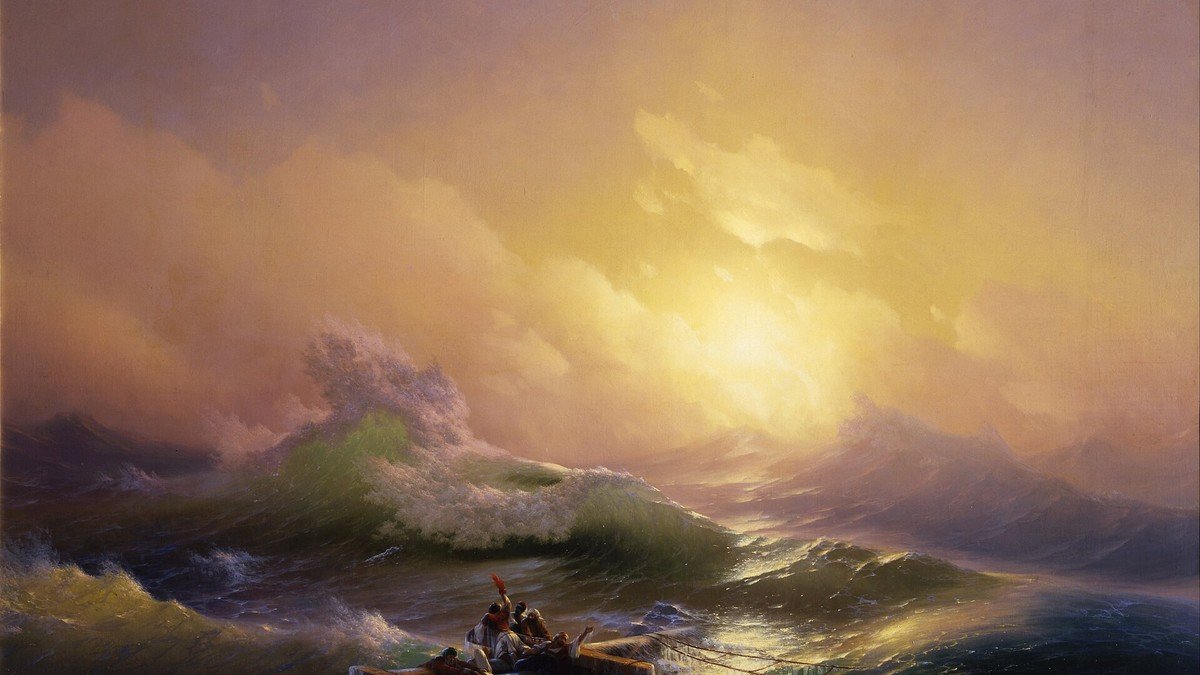
Ivan Aivazovsky, The Ninth Wave (1850)
Artists

Ivan Aivazovsky: Seascape Painter of the Black Sea

Discover Ivan Aivazovsky, the Armenian-Russian seascape painter behind The Ninth Wave, who spent 60 years turning the Black Sea’s moods into Romantic art.

July 28, 2026August 21, 2026

Posts pagination

1 2 … 5 Next
  • Zinaida Serebriakova: Self-Portraits as Quiet Radicalism
  • Russian Constructivism: When Artists Became Engineers
  • Valentin Serov: The Portraitist Who Painted Imperial Russia’s Last Generation
  • Isaac Levitan: The Mood Landscapes That Defined Russia’s Countryside
  • Mikhail Vrubel: The Demon Paintings That Consumed Their Creator
  • Art History
  • Art Periods & Movements
  • Artists
  • Cultural Impact
  • Exhibitions & Events

Table of ContentsToggle Table of ContentToggle

      • Quick Answer
  • What Is a Seascape Painter? Defining Aivazovsky’s Art
  • From Feodosia to St. Petersburg: An Armenian Boy’s Path to the Academy
  • Naples and the European Years: Sharpening a Signature Style
    • Why Did Aivazovsky Travel to Italy Early in His Career?
  • Chief Painter of the Imperial Navy
  • What Makes The Ninth Wave Aivazovsky’s Masterpiece?
  • Defining Features: Light, Motion, and Memory Over Observation
  • Painting From Memory: How Did Aivazovsky Work Without Sketching at Sea?
  • Rivals and Contemporaries: Lagorio, Bogolyubov, and the Marine Painting Scene
    • Was Aivazovsky the Only Notable Russian Marine Painter of His Time?
  • Notable Works Beyond The Ninth Wave
      • Myth vs. Fact: Did Aivazovsky Paint at the Water’s Edge?
  • War, Diplomacy, and the Brush: Aivazovsky’s Political Role
  • Was Aivazovsky Really That Prolific?
  • The Feodosia Years: Founding a Gallery and Giving Back
  • Legacy in Russian and Armenian Culture
  • Why Do Collectors and Museums Still Compete for His Work Today?
  • Common Misconceptions About Aivazovsky
  • Connections to Romanticism and Later Russian Landscape Painting
  • Where to See Aivazovsky’s Paintings Today
  • Essential Points
  • Frequently Asked Questions
All Rights Reserved 2024.
Proudly powered by WordPress | Theme: Palawan by Candid Themes.