Quick Answer
Kandinsky at Palazzo Bonaparte brings together more than seventy works from the Centre Pompidou and other international collections, tracing Wassily Kandinsky’s path from early Moscow studies to the pioneering abstraction he later developed in Munich and at the Bauhaus, alongside documents, photographs and personal effects. Running 15 September 2026 to 14 February 2027, it offers a rare international showing of the depth needed to trace his full development.
Rome’s Palazzo Bonaparte opens Kandinsky, a survey of Wassily Kandinsky spanning his full career, from early Moscow studies through the abstract compositions that made him one of the defining artists of the twentieth century. More than seventy works arrive from the Centre Pompidou and other international collections, joined by documents, photographs and personal effects that trace the man behind the paintings.
For readers following Russian art abroad, a show of this scale rarely leaves Paris or Munich, making this a rare chance to see Kandinsky’s development laid out in one place.
Palazzo Bonaparte, Rome, Italy
Dates: 15 September 2026 to 14 February 2027
Piazza Venezia, 5 / Via di San Basilio, 51, 00187 Roma
Tickets online at www.mostrepalazzobonaparte.it or via ticket.it; phone 06 8715111; hours Mon-Thu 9:00-19:30, Fri-Sun 9:00-21:00 (ticket office closes 1 hour before)
The Artists
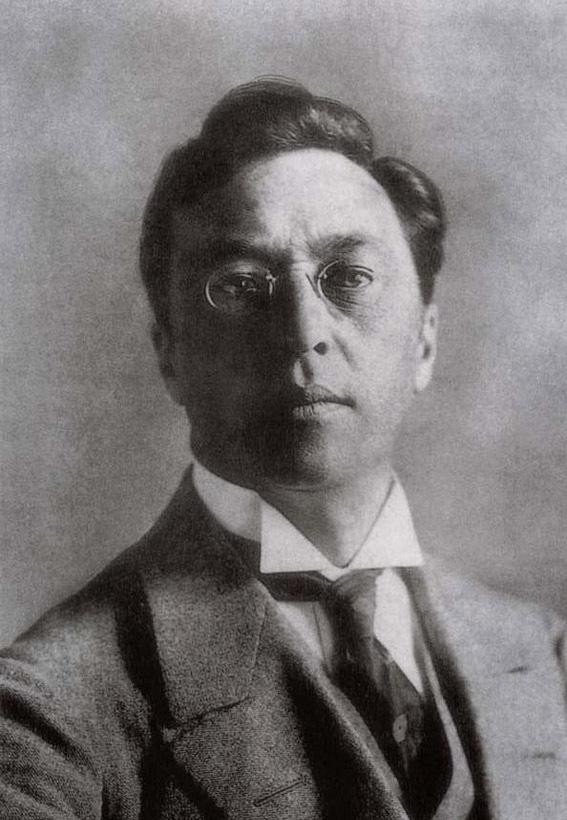
Wassily Kandinsky was born in Moscow and did not begin formal painting study until the age of thirty, settling in Munich in 1896 to train under Anton Ažbe and at the Academy of Fine Arts. He returned to Moscow during the First World War and took part in Soviet cultural administration before Germany drew him back in 1920, where he taught at the Bauhaus until the Nazis closed it in 1933. He spent his final years in France.
That arc, Moscow, Munich, Moscow again, Bauhaus, Paris, is the spine of the exhibition’s holdings, with works and documents from each period letting visitors watch his painting shift from representation toward abstraction.
Style and Movement
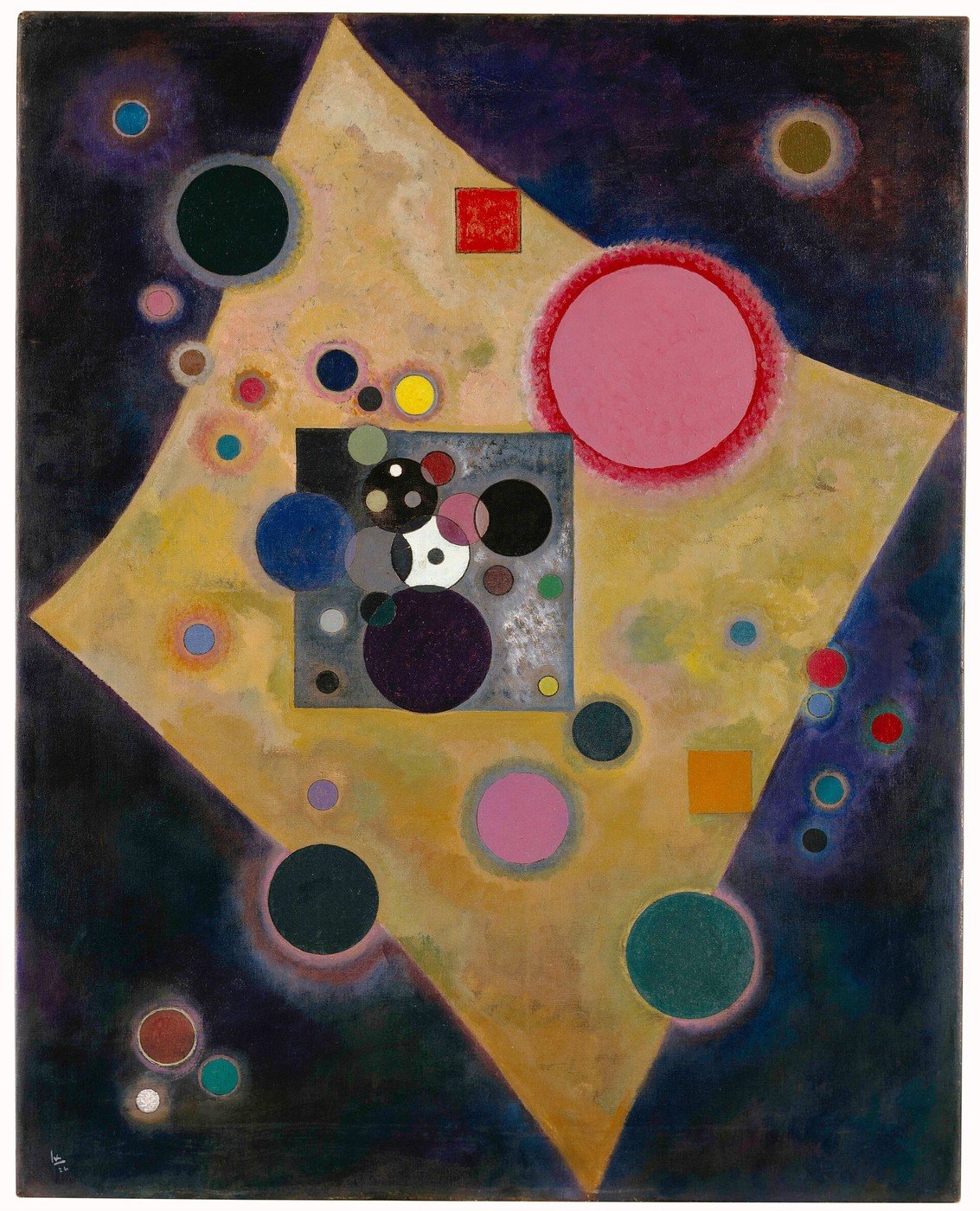
Kandinsky stands among the originators of abstract art, the early twentieth-century break from depicting recognizable subjects toward color, line and form treated as the subject itself. His theoretical writing, grounded in ideas about music and spirituality, gave that break a vocabulary other artists built on, feeding into movements like Der Blaue Reiter and later Bauhaus design teaching.
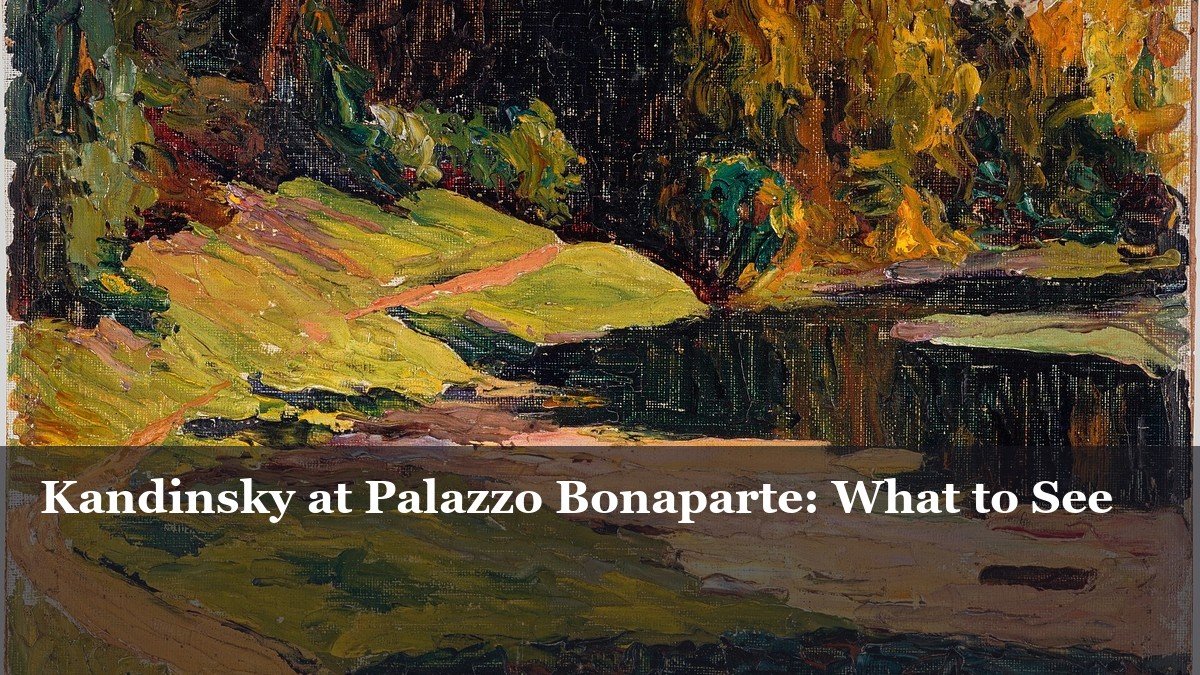
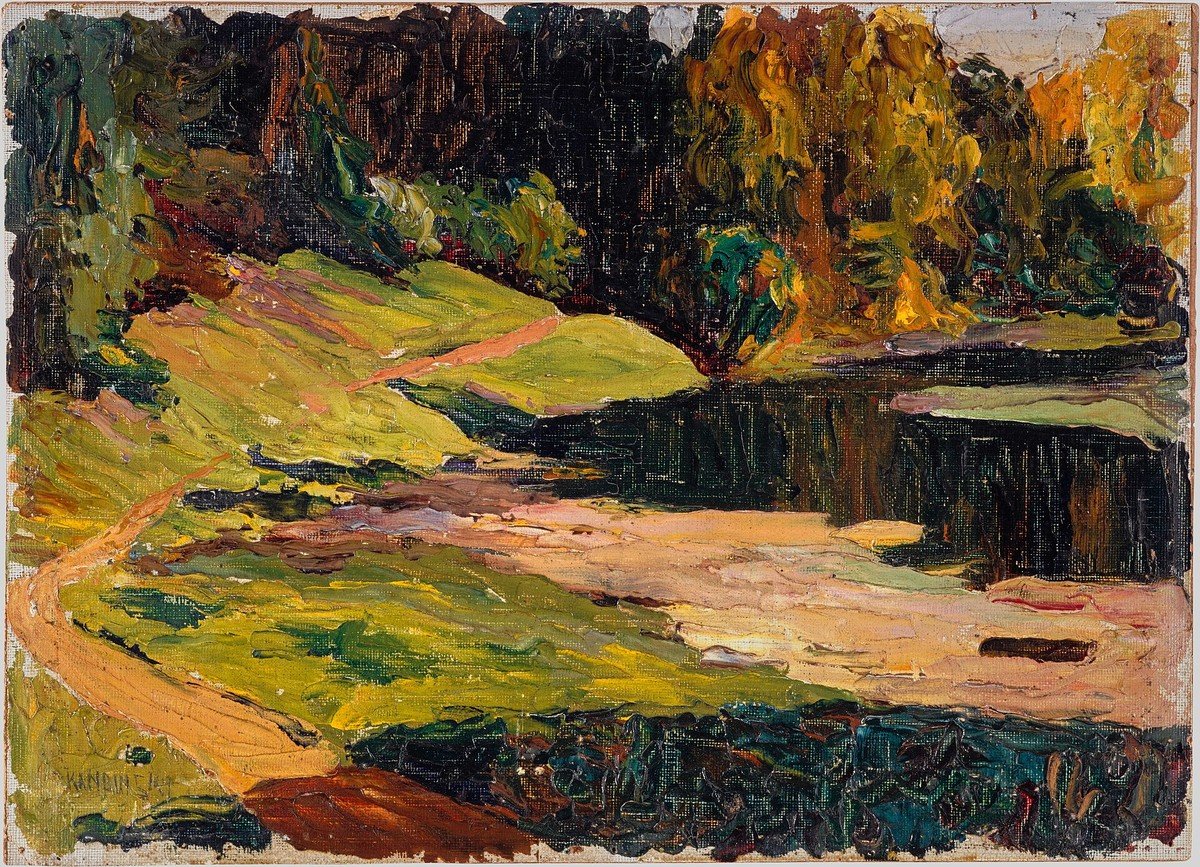
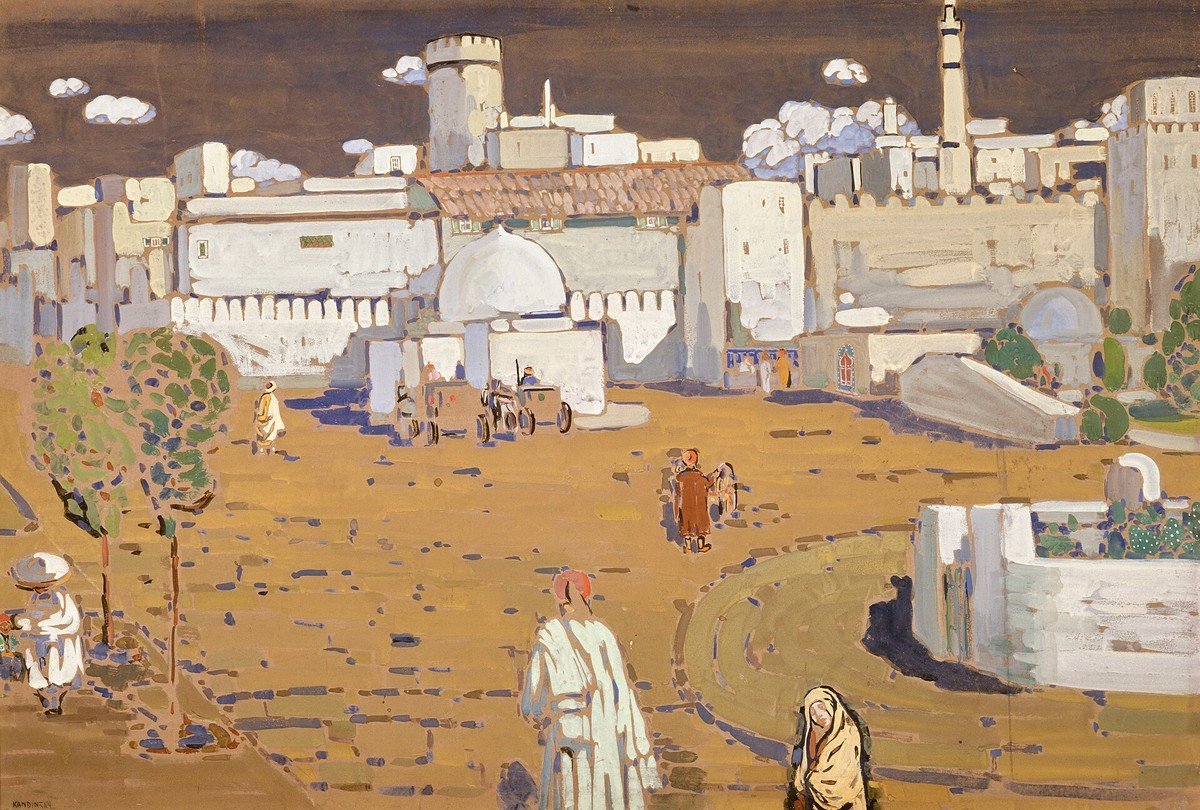
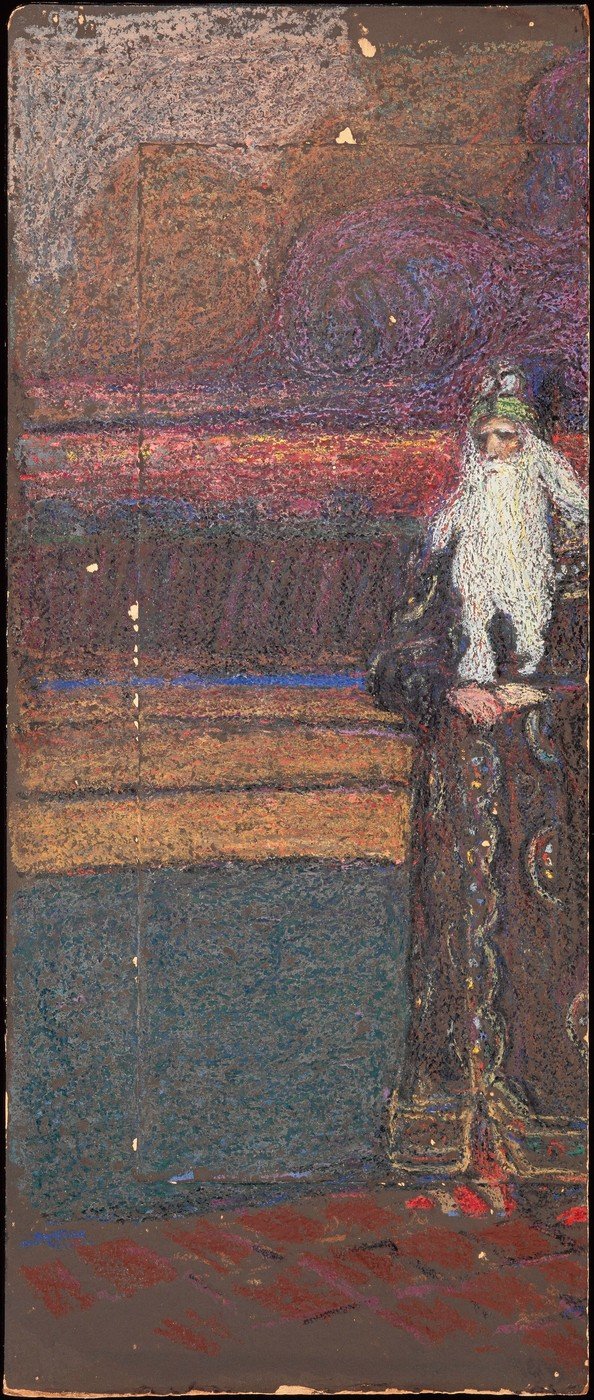
Because the show traces his career chronologically, with the Centre Pompidou’s holdings covering each phase, each period looks distinct. Moscow and early Munich canvases retain recognisable motifs: landscape, folk imagery, figures from Russian popular culture. Blaue Reiter compositions from the early 1910s show those forms beginning to dissolve as colour starts carrying structural weight. Bauhaus pieces from the Dessau and Berlin years arrive at precise geometric territory. Late Paris canvases from the 1930s and early 1940s bring a looser, biomorphic quality to that geometry. Moving through in sequence, visitors see abstraction as a gradual process with a clear internal logic.
Why It Matters
Kandinsky’s career began in Moscow before Western Europe claimed him, and a show built on this scale makes that Russian starting point hard to miss. Readers tracking Russian art’s reach into European modernism get a rare, concentrated look at a painter whose Moscow origins fed directly into the European abstraction that followed.
For planning: Palazzo Bonaparte sits directly on Piazza Venezia at the practical centre of Rome, served by multiple bus lines. Evening slots on Fridays and Saturdays are worth booking; the gallery stays open until 21:00 and the ticket office until 20:00, which is quieter than midday hours near the Vittoriano next door. The run through mid-February 2027 accommodates autumn, winter, and early spring travel without a tight scheduling window.
Essential Points
- Over seventy works from the Centre Pompidou (one of the world’s principal Kandinsky holdings) and international collections, plus personal documents and photographs
- Runs 15 September 2026 to 14 February 2027 at Palazzo Bonaparte in Rome
- Traces Kandinsky’s full arc: Moscow, Munich, Bauhaus, Paris
- A direct link between Russian-born painting and the birth of European abstraction
For current hours, tickets, and any changes to these dates, always check the official exhibition listing before visiting.
This listing is compiled from official museum/gallery sources and reputable arts publications, linked above. Details change — always confirm dates on the official listing before visiting.