Quick Answer
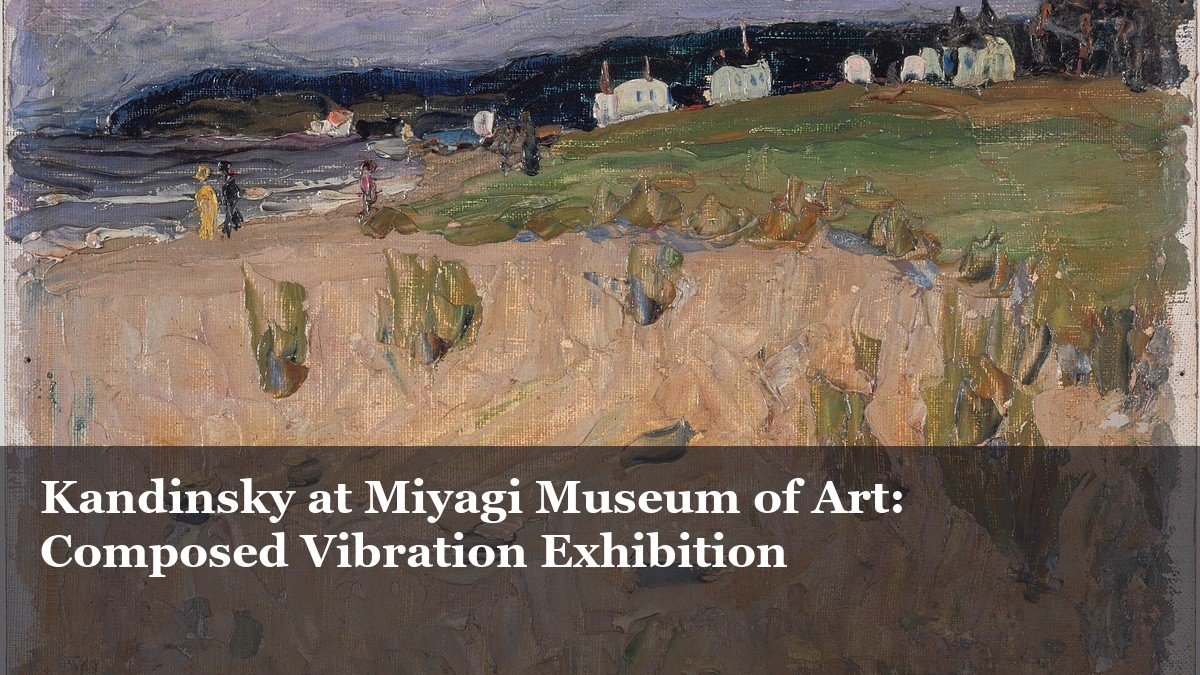
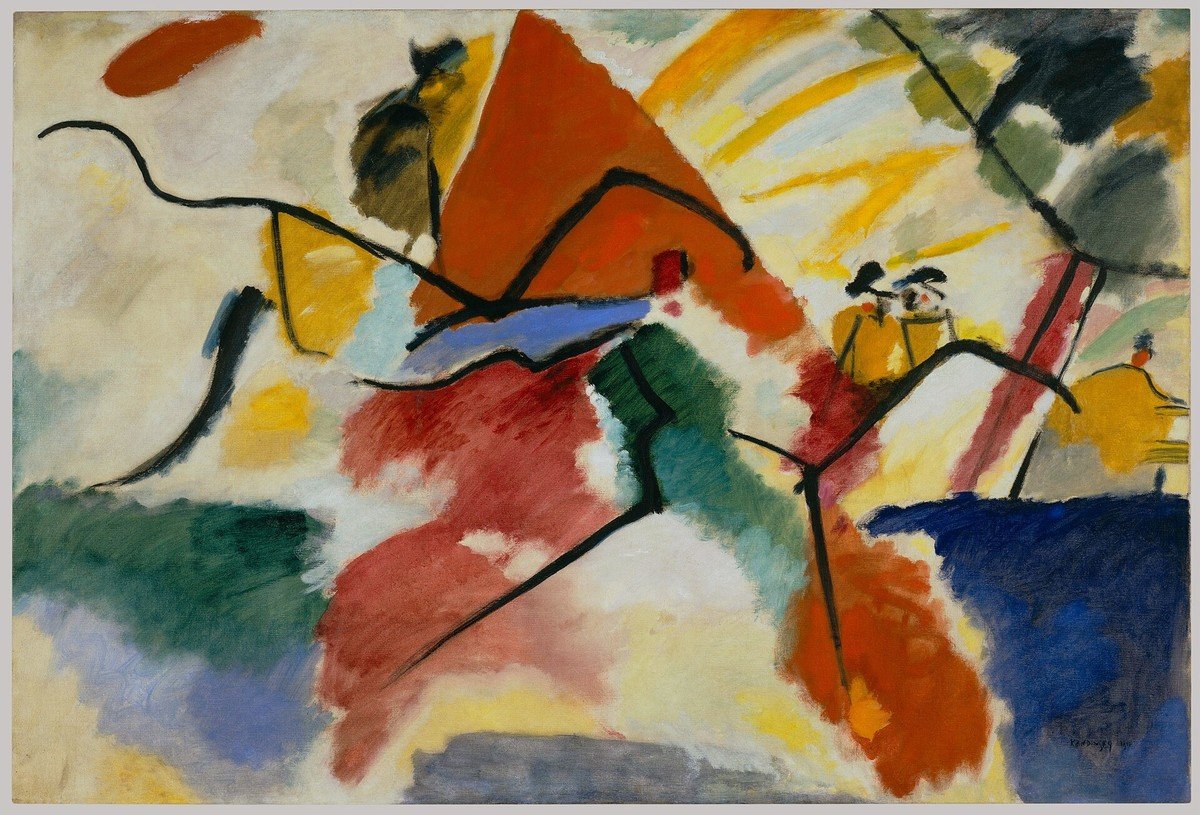
This exhibition brings together paintings by Wassily Kandinsky held in collections across Japan, running from 12 September to 28 October 2026. Kandinsky, a Russian-born painter who became one of the founding figures of abstract art, spent decades building a visual language out of color, line and form rather than recognizable subjects. The show’s title draws on Kandinsky’s own idea that color and form carry a kind of vibration, acting directly on the viewer’s inner life rather than through recognition of depicted subjects.
Composed Vibration: Wassily Kandinsky from the Collections in Japan pulls Kandinsky paintings out of the private and institutional collections where they usually sit apart from one another, and presents them together as one continuous body of work for the length of its run.
Seeing these pieces side by side lets a visitor trace how Kandinsky moved color and form around the canvas across different stretches of his career, rather than encountering a single painting in isolation.
The Miyagi Museum of Art, Sendai, Japan
Dates: 12 September to 28 October 2026
34-1 Kawauchi-Motohasekura, Aoba-ku, Sendai-shi, Miyagi 980-0861
Hours 9:30-17:00, closed Mondays (open Sep 21, Oct 12; closed Sep 24, Oct 13); 7-minute walk from Int’l Center Station (Tozai line) or bus from JR Sendai Station; phone 022-221-2111; adult fee ¥1300
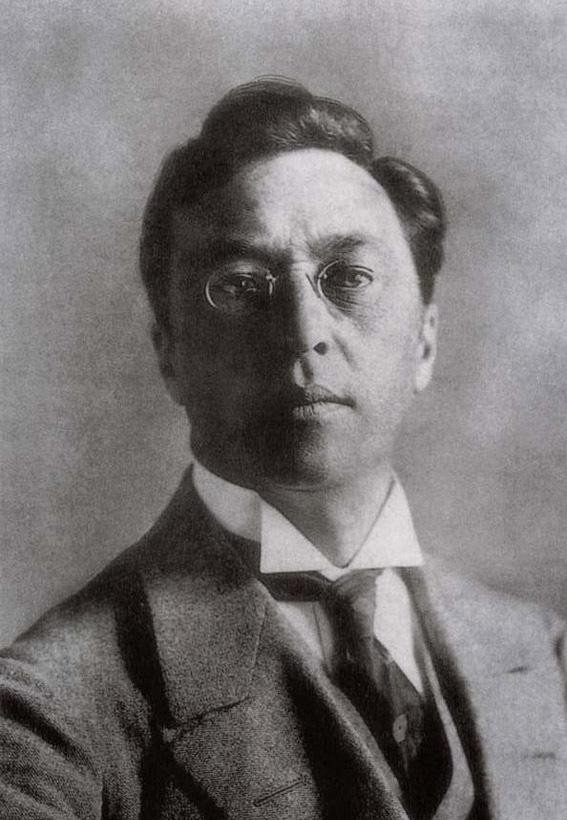
The Artists
Wassily Kandinsky was a Russian painter and art theorist who trained first in Munich, taught at the Bauhaus until the Nazis shut it down in 1933, and spent his final years in France. Across that path he became one of the central figures credited with pioneering abstraction in Western art, moving away from depicting recognizable subjects toward compositions built from color, line and form.
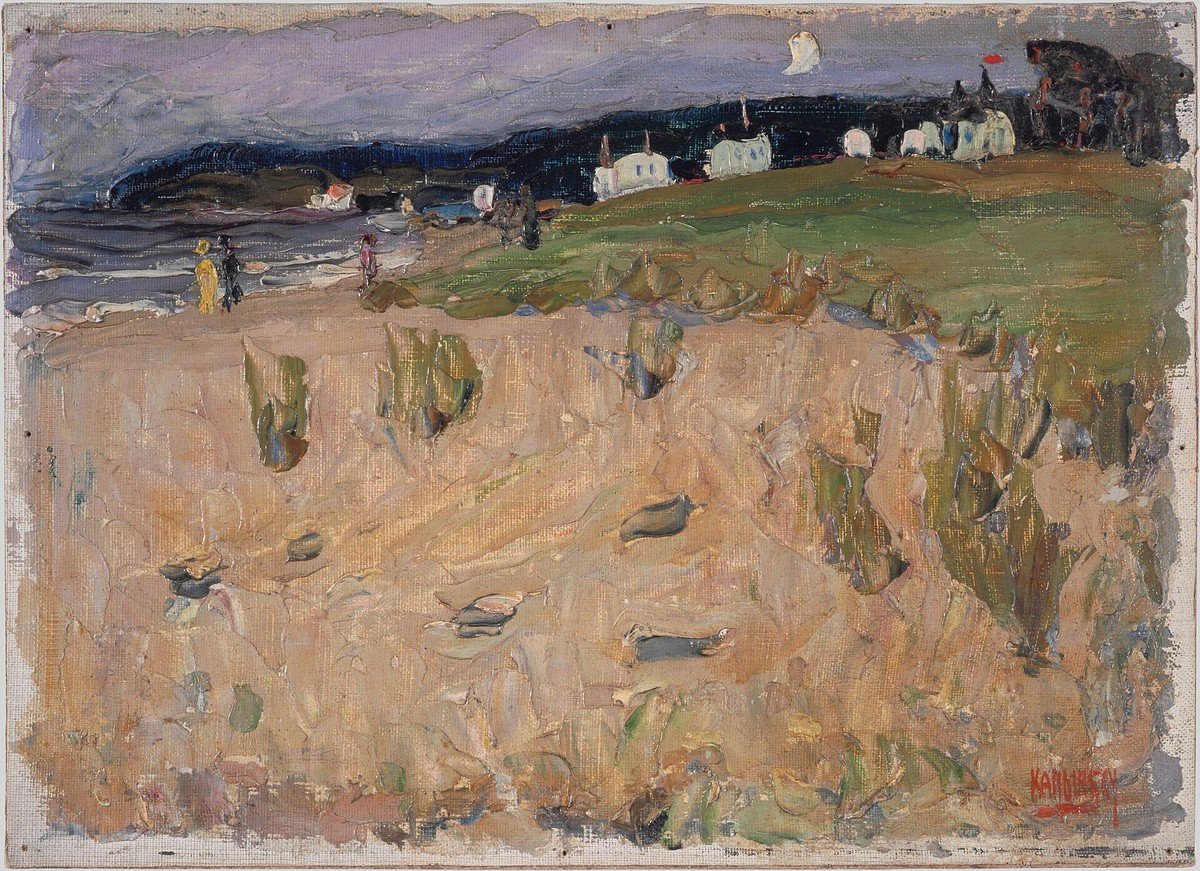
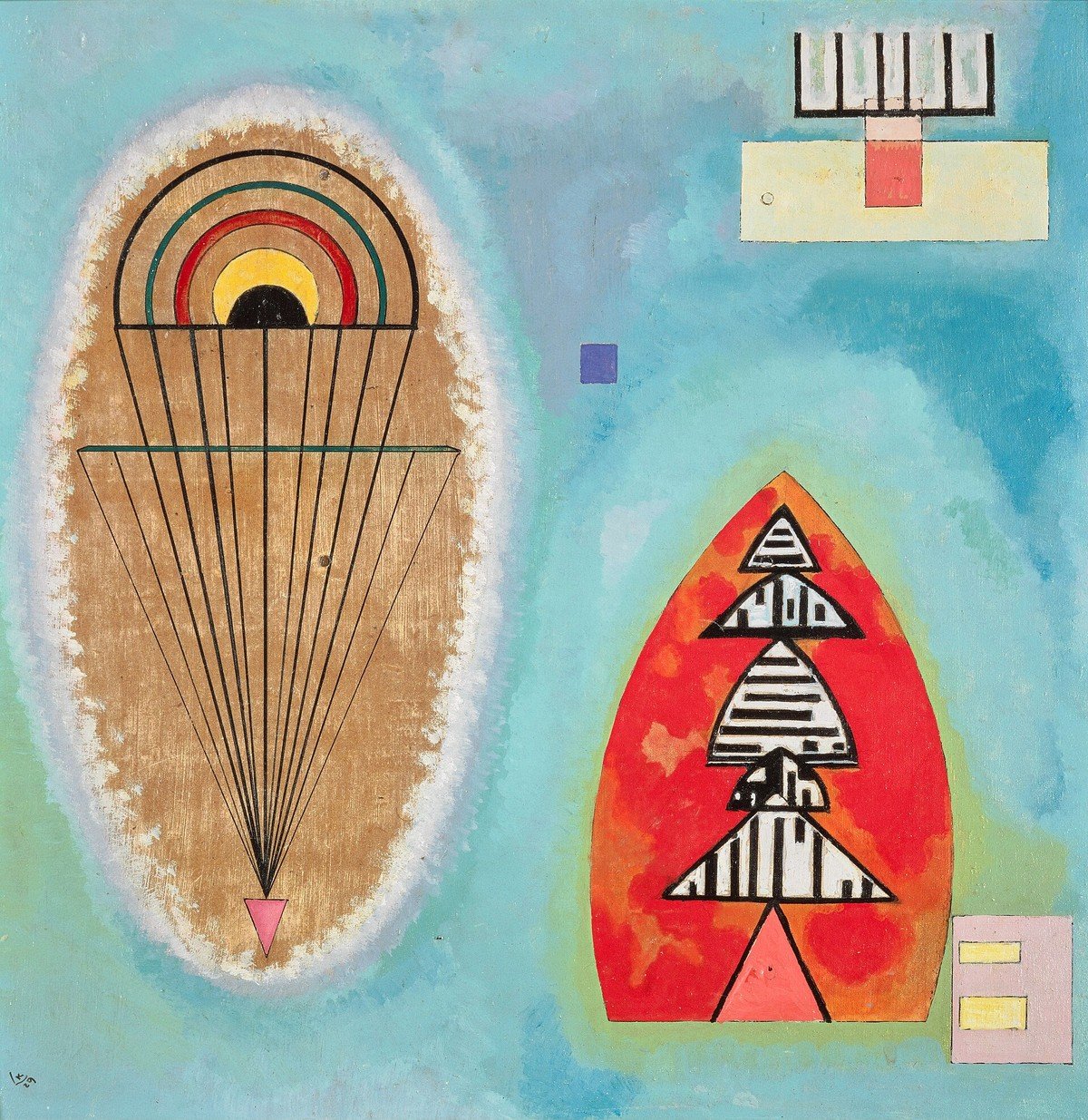
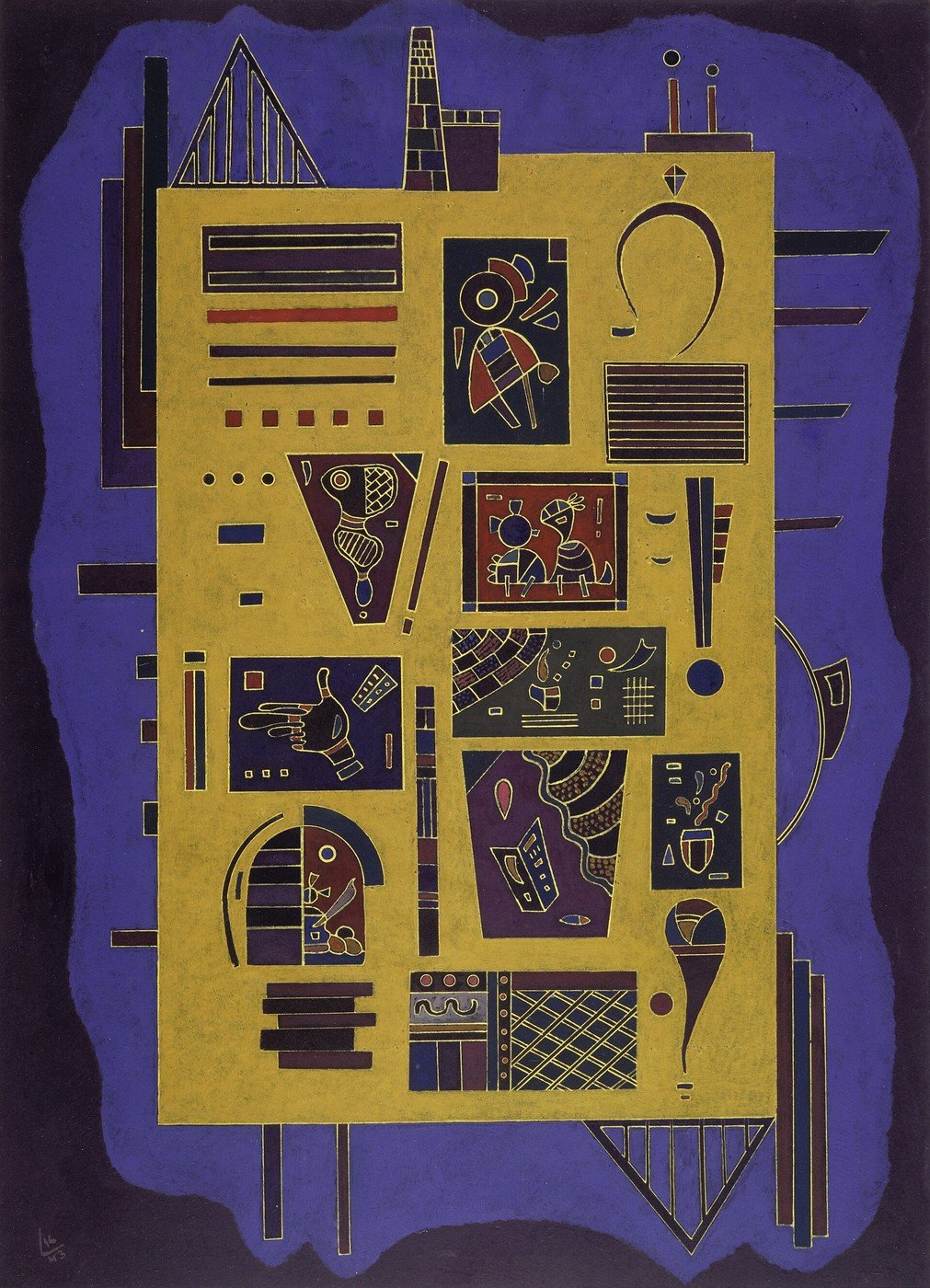
The paintings on view here, drawn from collections across Japan, give a visitor direct contact with that shift: works where shape and color carry the content on their own, without a landscape or figure standing behind them.
Style and Movement
The exhibition title “Composed Vibration” names the curatorial premise: Kandinsky organized his canvases around rhythm, tension and color resonance, treating the picture plane the way a composer treats sound. In his 1910 text “Concerning the Spiritual in Art,” Kandinsky described each color as carrying its own inner vibration: yellow agitates, blue deepens, green holds still. “Composed Vibration” takes its name from that framework. That approach developed in stages, from early work that still held recognizable subjects to the fully abstract compositions he built from the 1910s onward, and a show drawn from multiple Japanese collections can display that range without being constrained to the holdings of a single institution. The particular works each lending source chose to acquire shape what visitors see here, making the grouping an account of Japanese collecting history alongside Kandinsky’s visual development. How those two stories line up is part of what the exhibition, in my view, often becomes about.
Why It Matters
Kandinsky left Russia in the 1890s and spent his working life in Germany and France, which means his connection to Russian art is a question of origin and transformation: how did someone shaped by Russian visual culture become the figure most credited with founding Western abstraction? The Japanese collections feeding this exhibition hold works acquired at a remove from both Russia and the European centers where Kandinsky worked, through the decades of postwar exchange when Japanese institutions were actively building Western modernist holdings. Seeing them gathered here traces the path those paintings took: from a Russian-born painter, through European modernism, into East Asian collections. That geography gives a Russian-art reader a chapter of that story that rarely surfaces in exhibitions organized around European or American institutions: Kandinsky’s influence reaching East Asia through collectors who built Western modernist holdings at a distance from both his birthplace and his adopted cities.
Essential Points
- Runs 12 September to 28 October 2026, bringing together Kandinsky paintings from collections across Japan.
- Kandinsky, born in Moscow, is widely credited as one of the founders of abstract art.
- The works on view trace his shift from recognizable subjects to compositions built from color, line and form.
- A rare opportunity to see pieces normally held apart in separate Japanese collections displayed as one group.
- Connects back to Kandinsky’s later career in Germany and France after he left Russia for good.
For current hours, tickets, and any changes to these dates, always check the official exhibition listing before visiting.
Details change — always confirm dates on the official listing before visiting.