Skip to content
Russian Art

Russian Art

Explore Russian Artists

  • Art Periods & Movements
  • Art History
  • Cultural Impact
  • Artists
  • Art Periods & Movements
  • Art History
  • Cultural Impact
  • Artists
Zinaida Serebriakova: Self-Portraits as Quiet Radicalism
Artists

Zinaida Serebriakova: Self-Portraits as Quiet Radicalism

September 8, 2026September 9, 2026 Russian Arts
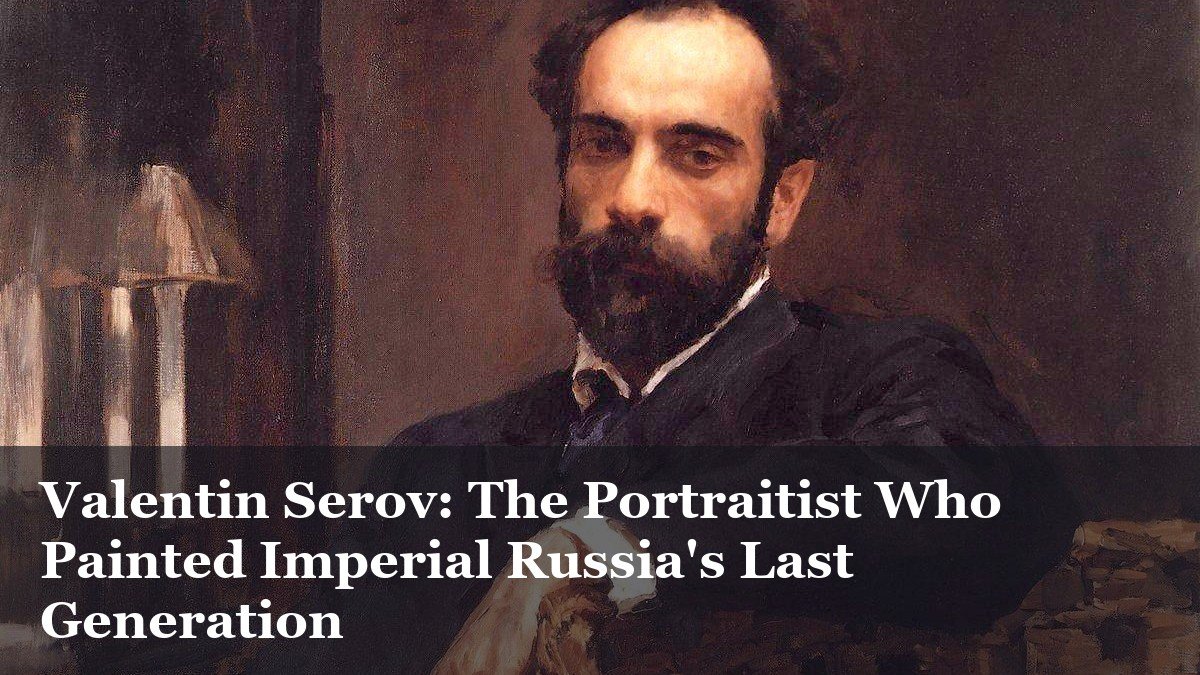
Valentin Serov, Portrait of Isaac Levitan (1893)
Artists

Valentin Serov: The Portraitist Who Painted Imperial Russia’s Last Generation

August 31, 2026September 1, 2026 Russian Arts
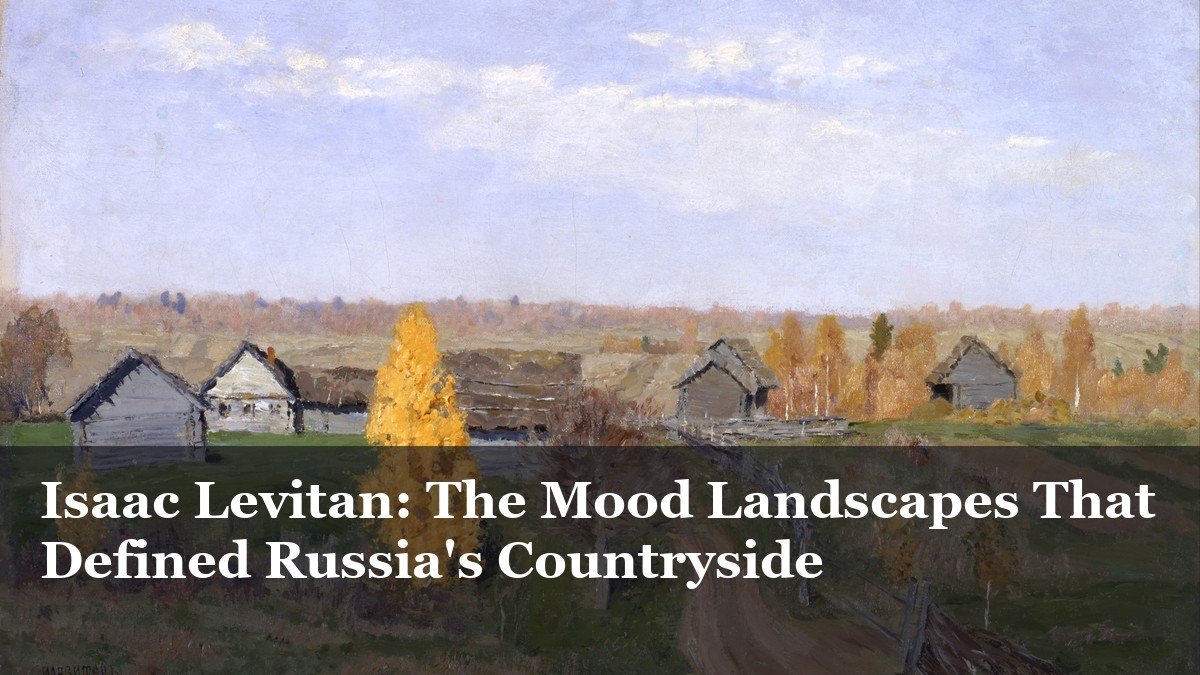
Isaac Levitan, Golden Autumn (Slobodka) (1889)
Artists

Isaac Levitan: The Mood Landscapes That Defined Russia’s Countryside

August 29, 2026August 30, 2026 Russian Arts
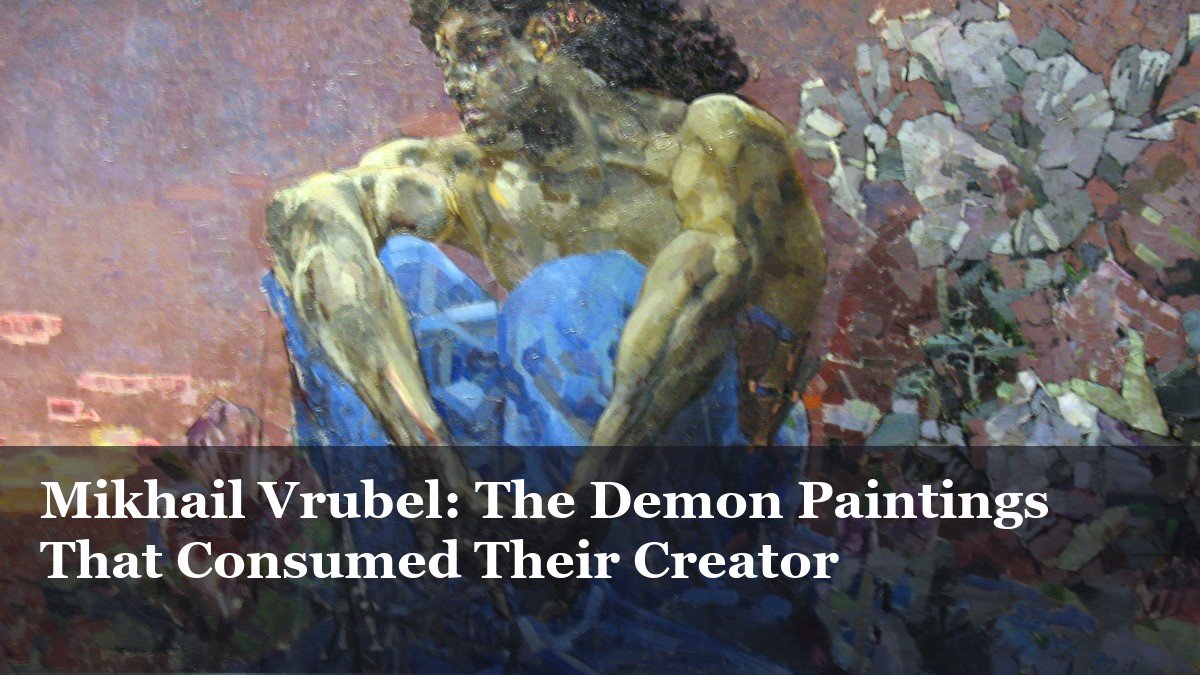
Mikhail Vrubel, The Demon Seated (1890)
Artists

Mikhail Vrubel: The Demon Paintings That Consumed Their Creator

August 24, 2026August 25, 2026 Russian Arts
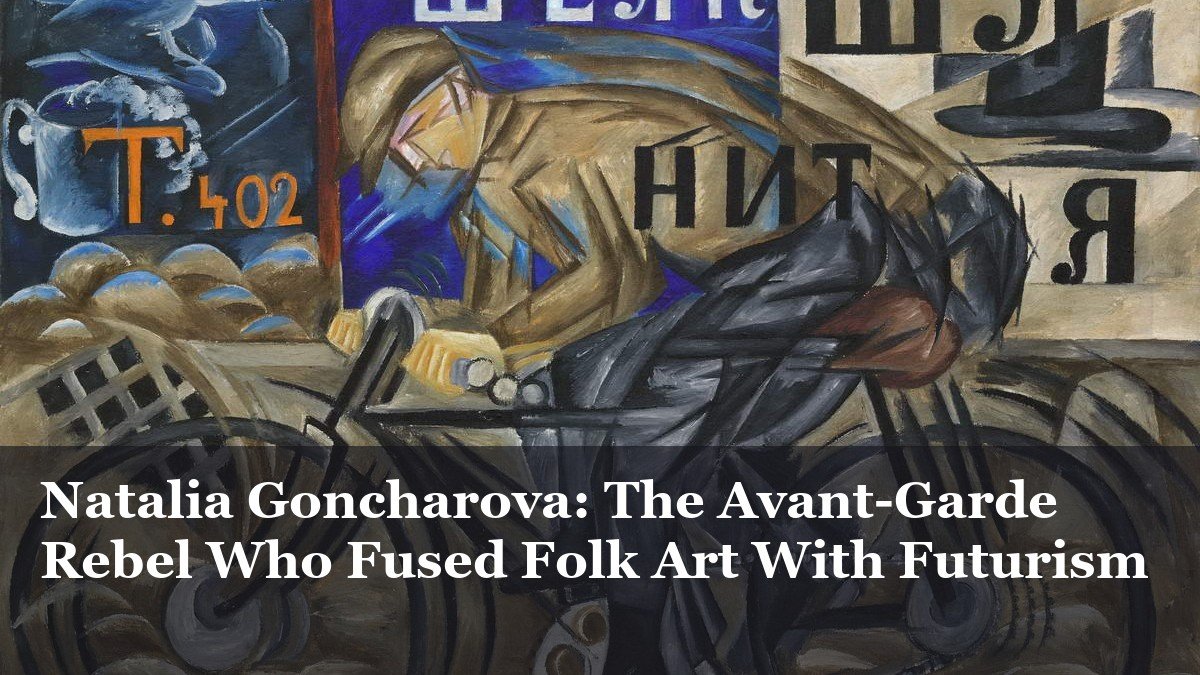
Natalia Goncharova, The Cyclist (1913)
Artists

Natalia Goncharova: The Avant-Garde Rebel Who Fused Folk Art With Futurism

August 20, 2026August 31, 2026 Russian Arts
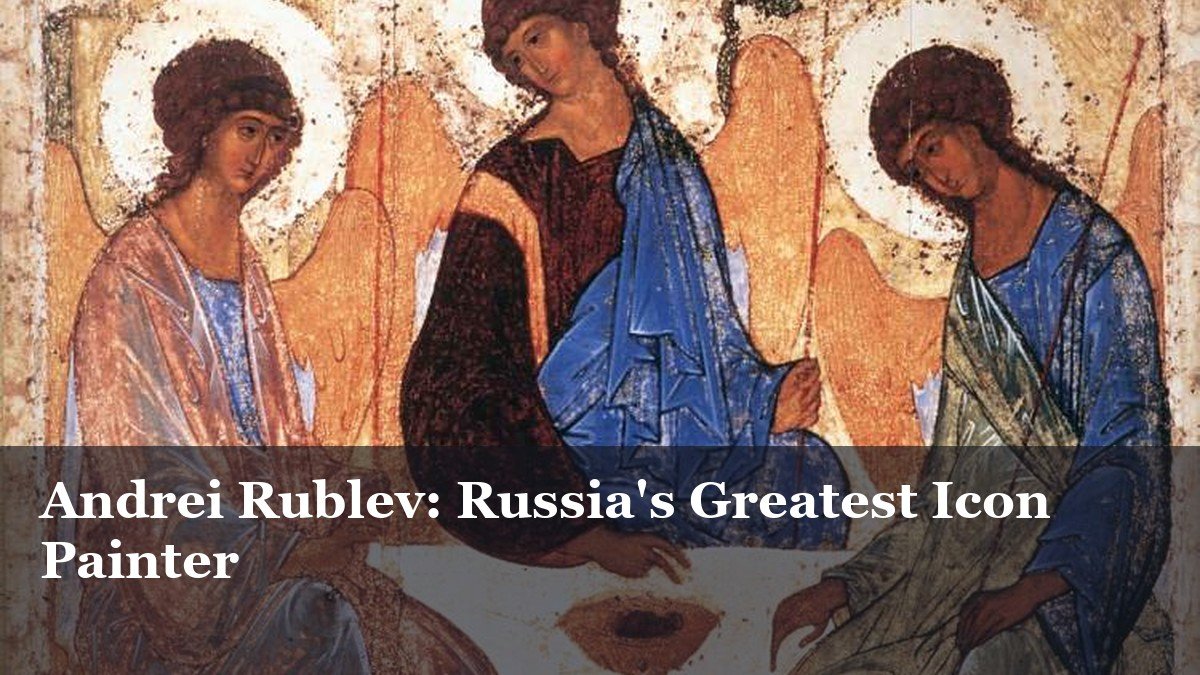
Andrei Rublev, The Trinity (1425)
Art History Artists

Andrei Rublev: Russia’s Greatest Icon Painter

August 9, 2026August 22, 2026 Russian Arts
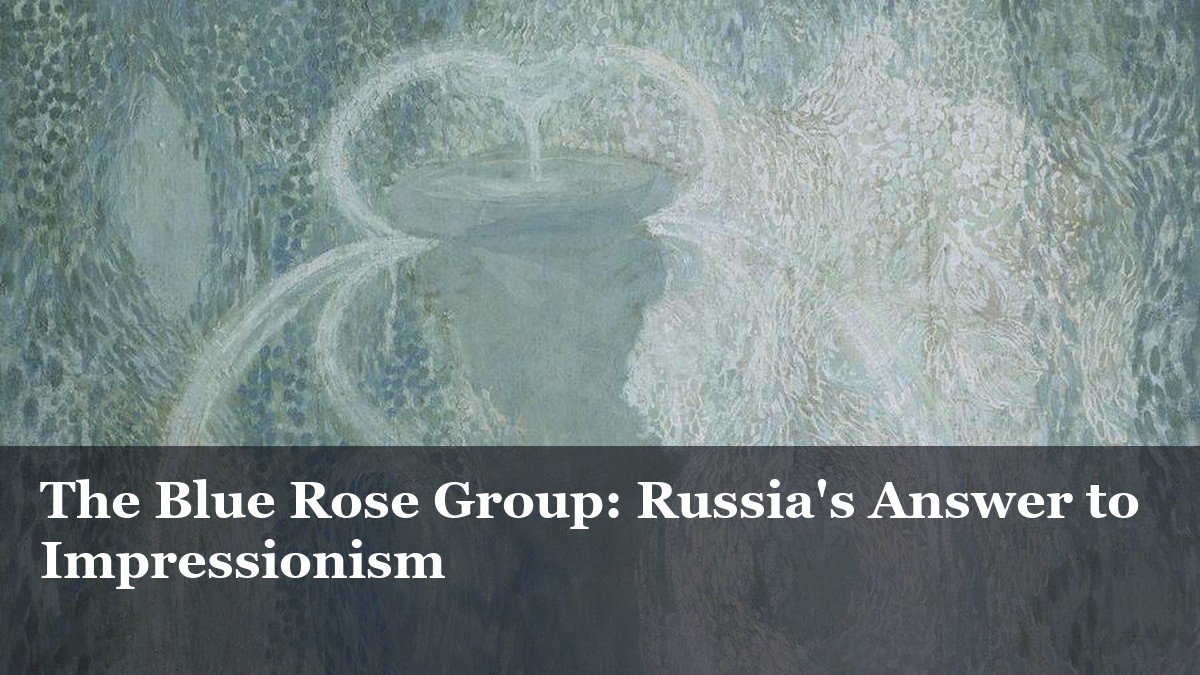
Pavel Kuznetsov, The Blue Fountain (1905)
Art Periods & Movements

The Blue Rose Group: Russia’s Answer to Impressionism

The Blue Rose group: Russia’s 1907 Symbolist circle led by Kuznetsov and Saryan, inspired by Borisov-Musatov, and how it differed from French Impressionism.
August 5, 2026August 22, 2026
Léon Bakst, Costume design for Cléopâtre (1909)
Cultural Impact

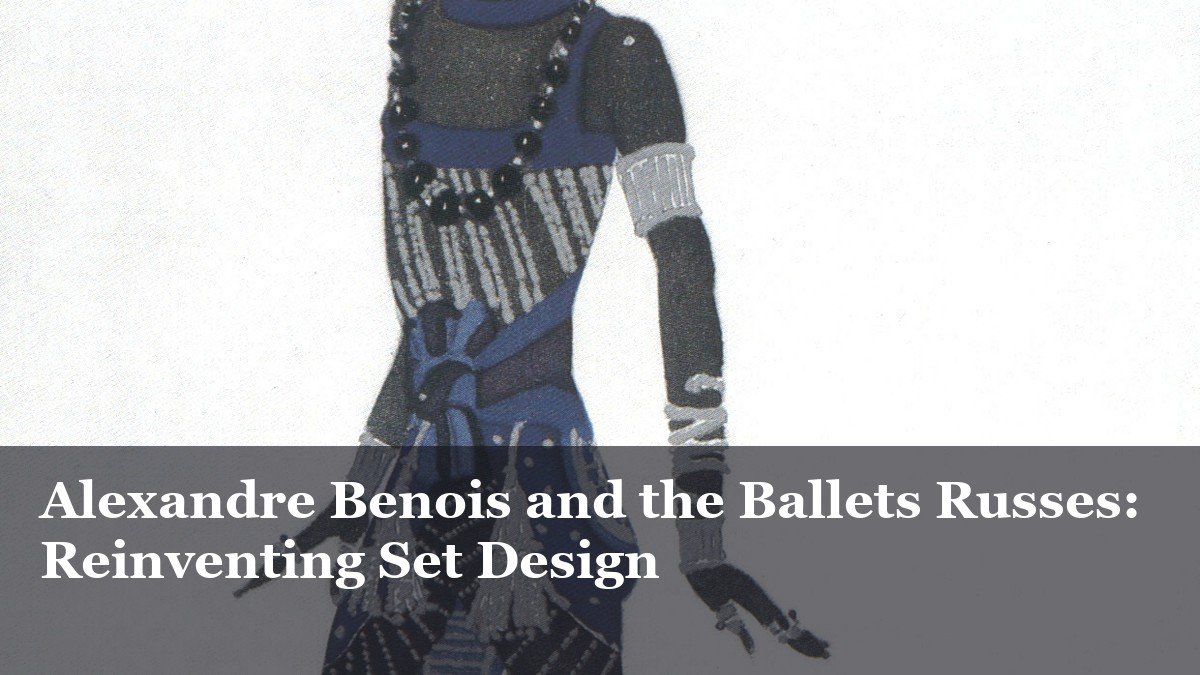
Alexandre Benois and the Ballets Russes: Reinventing Set Design

Alexandre Benois co-founded the Ballets Russes with Sergei Diaghilev, designing Petrushka and shaping how modern stage design looked across Europe and beyond.
August 4, 2026August 21, 2026
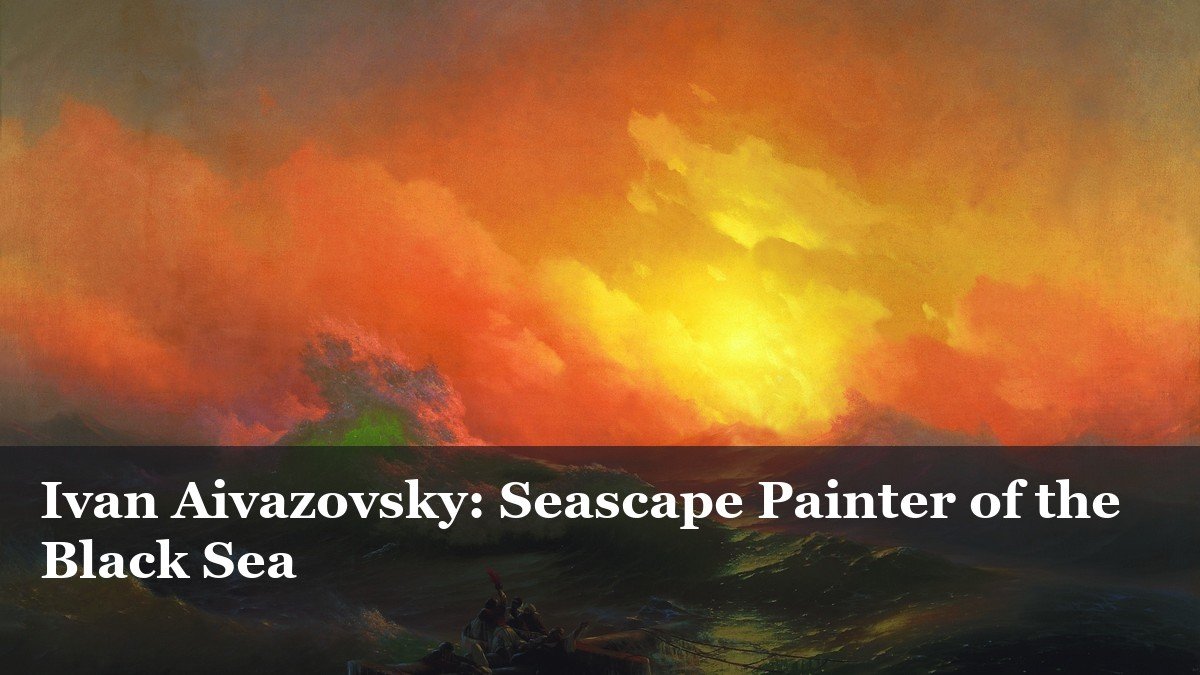
Ivan Aivazovsky, The Ninth Wave (1850)
Artists

Ivan Aivazovsky: Seascape Painter of the Black Sea

Discover Ivan Aivazovsky, the Armenian-Russian seascape painter behind The Ninth Wave, who spent 60 years turning the Black Sea’s moods into Romantic art.
July 28, 2026August 21, 2026
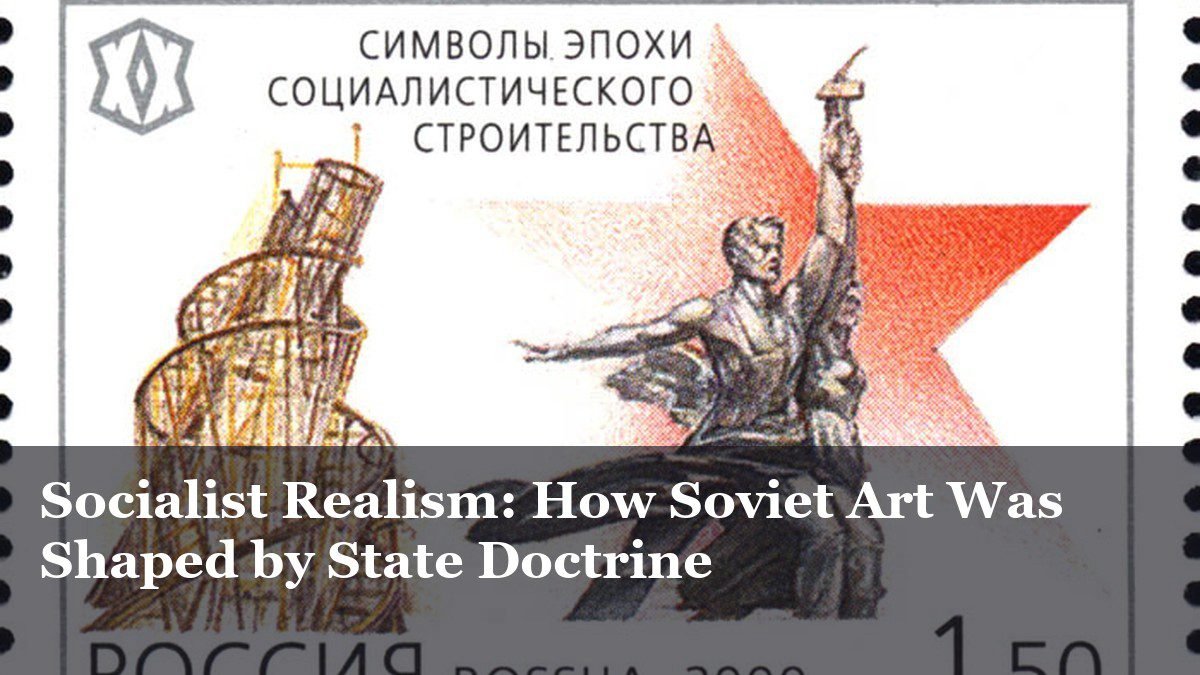
Vera Mukhina, Worker and Kolkhoz Woman (1937)
Art Periods & Movements

Socialist Realism: How Soviet Art Was Shaped by State Doctrine

Socialist Realism was the Soviet Union’s official art doctrine from 1932 to 1988. Explore its origins, key artists like Brodsky and Mukhina, and its legacy today.
July 24, 2026August 29, 2026
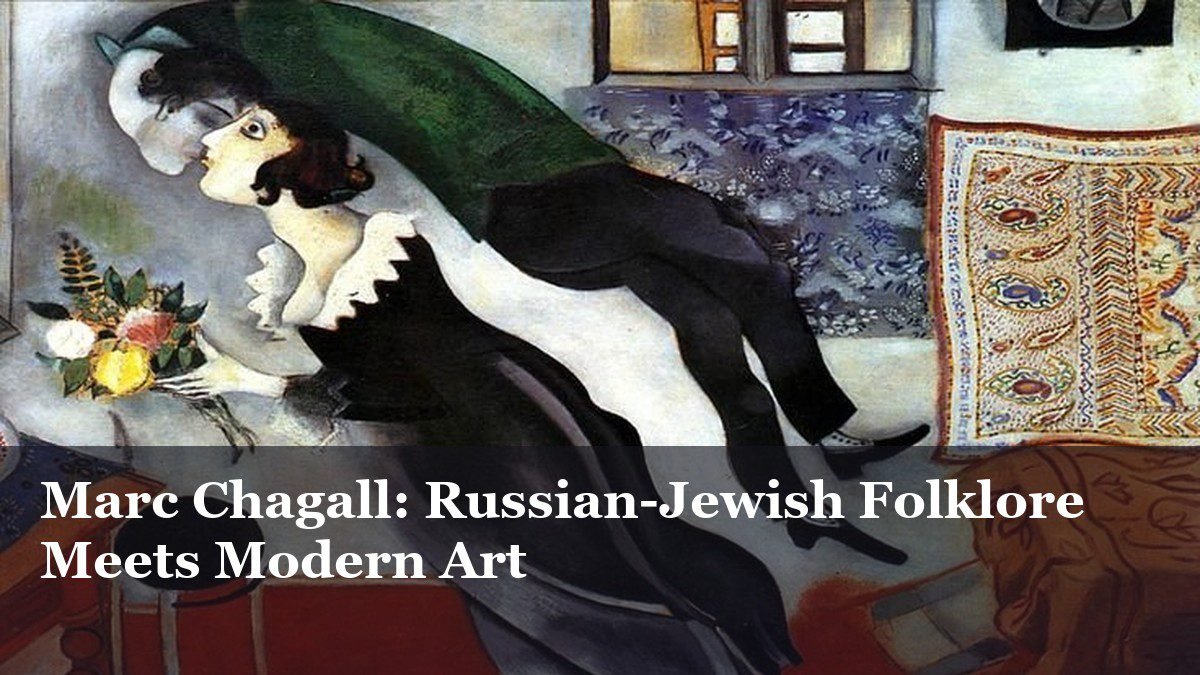
Marc Chagall, The Birthday (1915)
Artists

Marc Chagall: Russian-Jewish Folklore Meets Modern Art

Marc Chagall fused Russian-Jewish folklore with modern painting techniques from Vitebsk to Paris. Explore his life, symbols, and lasting influence on art.
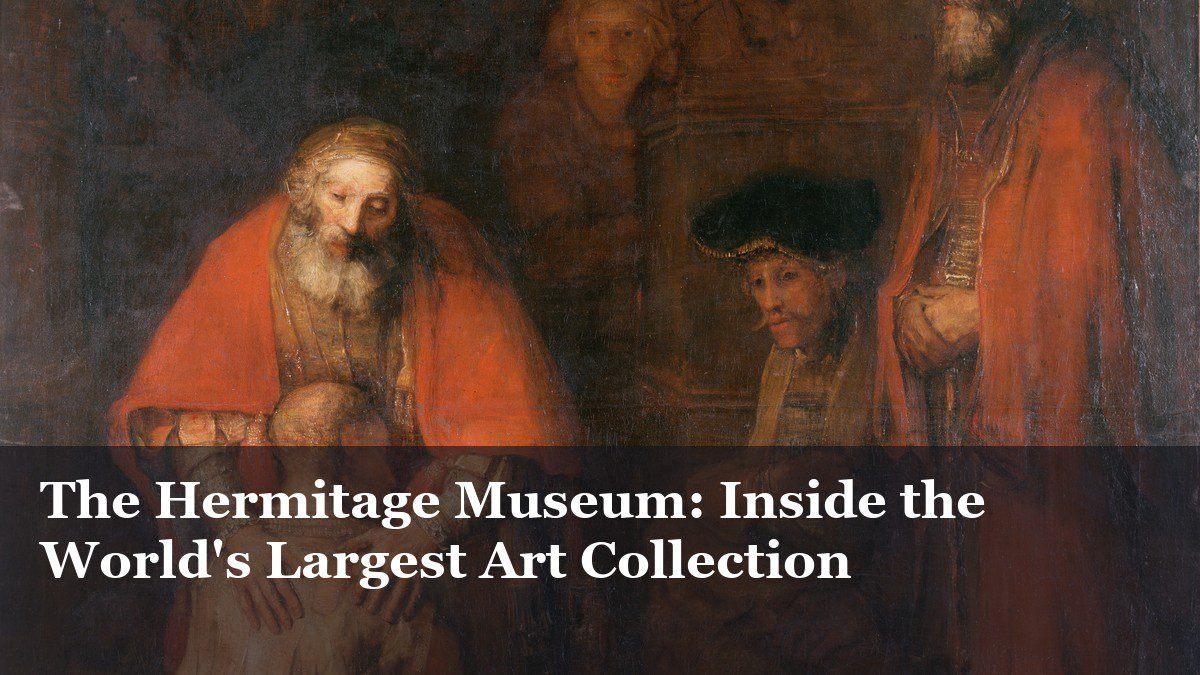
July 21, 2026August 20, 2026
Rembrandt, Return of the Prodigal Son (1668)
Exhibitions & Events

The Hermitage Museum: Inside the World’s Largest Art Collection

Explore the Hermitage Museum in Saint Petersburg: its 1764 founding, six palaces, three million artworks, and masterpieces by Leonardo and Rembrandt.
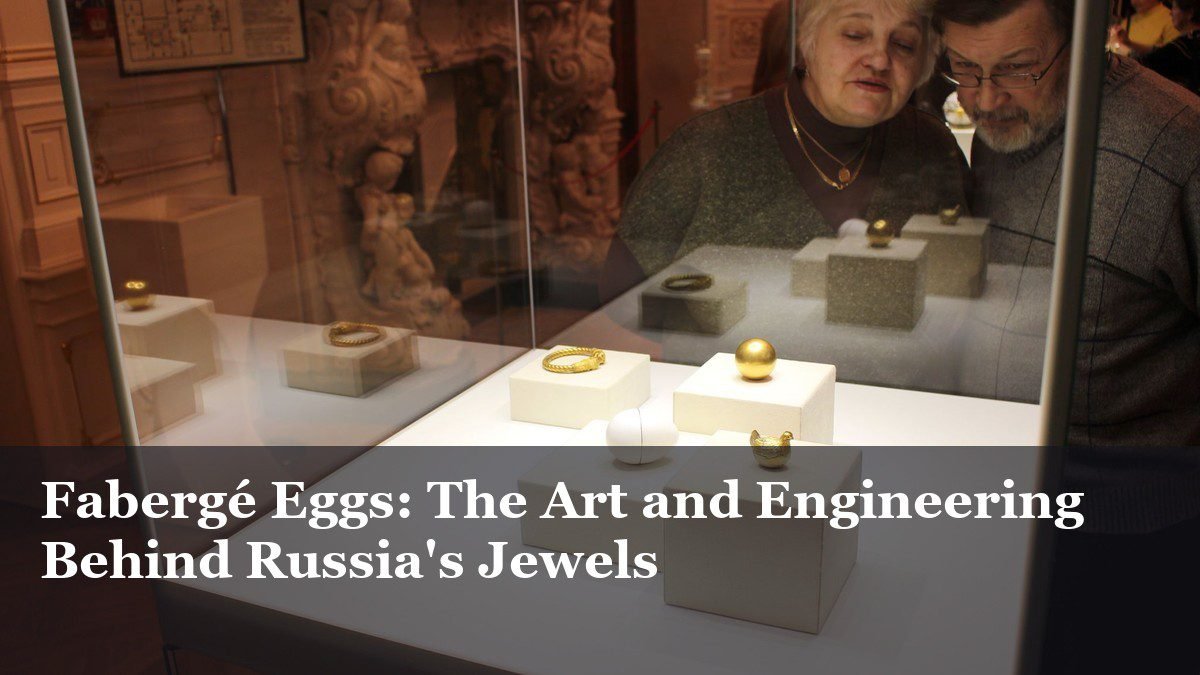
July 21, 2026August 29, 2026
House of Fabergé (Peter Carl Fabergé), Hen Egg (1885)
Cultural Impact

Fabergé Eggs: The Art and Engineering Behind Russia’s Jewels

Discover how the House of Fabergé built Russia’s Imperial Easter eggs, from guilloché enamel to hidden surprises, and where 44 surviving eggs are today.
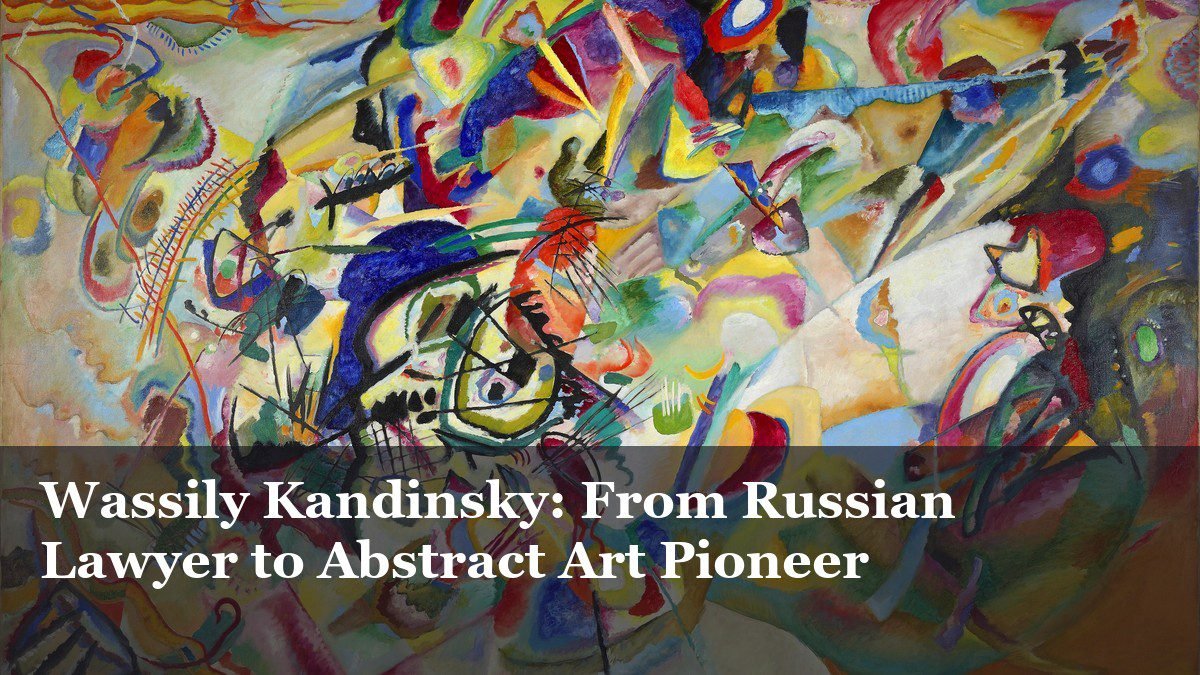
July 18, 2026August 21, 2026
Wassily Kandinsky, Composition VII (1913)
Artists

Wassily Kandinsky: From Russian Lawyer to Abstract Art Pioneer

How Wassily Kandinsky left a Moscow law career to help found abstract art, launch Der Blaue Reiter in Munich, and teach color theory at the Bauhaus.
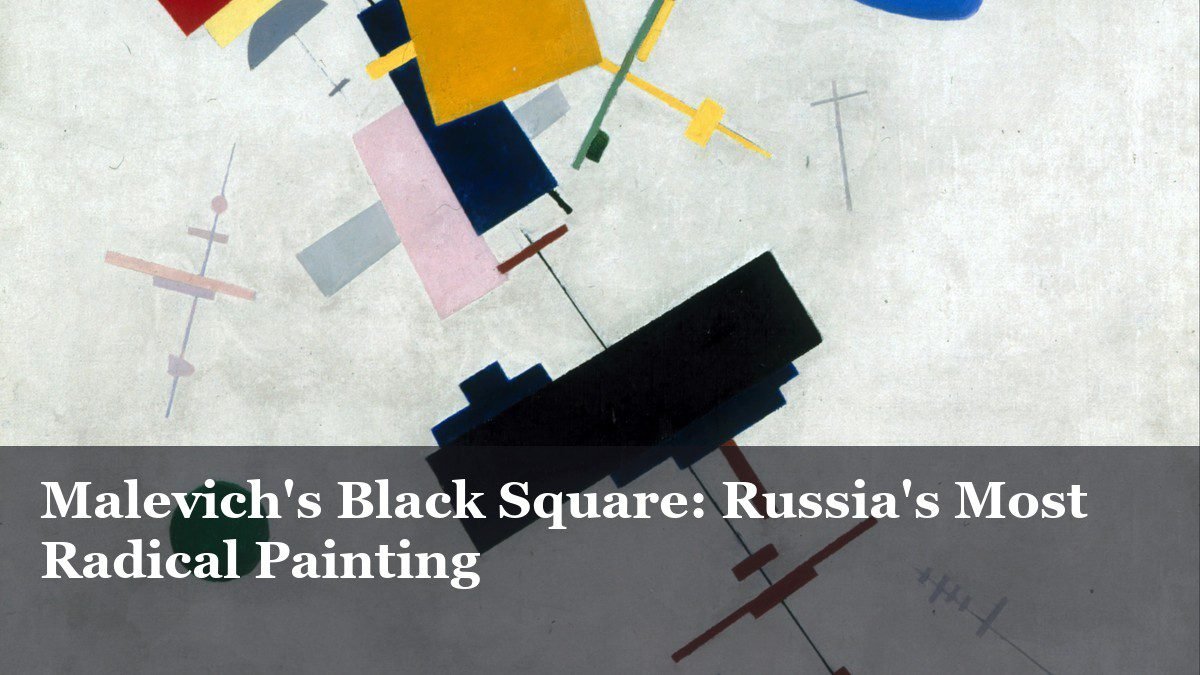
July 15, 2026August 21, 2026
Kazimir Malevich, Suprematism (1915)
Artists

Malevich’s Black Square: Russia’s Most Radical Painting

Kazimir Malevich’s 1915 Black Square broke from representation and launched Suprematism. Explore its history, four versions, and lasting influence on art.

July 14, 2026August 21, 2026
Ilya Repin, Barge Haulers on the Volga (1873)
Art Periods & Movements

The Wanderers: How Russian Realists Broke From the Academy

How the Wanderers (Peredvizhniki) broke from Russia’s Imperial Academy in 1863, touring realist art to provincial cities. Key painters, works, and legacy.

July 10, 2026August 21, 2026

Posts pagination

Previous 1 2 3 … 5 Next
  • The History of the Russian Icon: Byzantium to the Old Believers
  • Russian Futurism: The Movement That Slapped Public Taste
  • The Jack of Diamonds Group: Moscow’s Break With Polite Painting
  • Zinaida Serebriakova: Self-Portraits as Quiet Radicalism
  • Russian Constructivism: When Artists Became Engineers
  • Art History
  • Art Periods & Movements
  • Artists
  • Cultural Impact
  • Exhibitions & Events

Table of ContentsToggle Table of ContentToggle

      • Quick Answer
  • What Were the Wanderers?
  • The Revolt of 1863: Fourteen Artists Walk Out
    • Why did fourteen students leave the Academy?
  • From Artists’ Artel to Traveling Exhibition Society
  • Breaking With the Academy: What Exactly Changed
    • What did the Wanderers reject about academic training?
  • Key Characteristics of Peredvizhniki Realism
  • Ivan Kramskoi: The Movement’s Public Face
    • Why is Ivan Kramskoi called the movement’s frontman?
  • Vasily Perov and the Painter of Social Conscience
  • Ilya Repin and the Art of Everyday Heroism
    • Why is Barge Haulers on the Volga so famous?
  • Vasily Surikov and Russia’s Historical Drama
      • Myth vs. Fact: Trained Rebels, Not Untrained Outsiders
  • Ivan Shishkin, Arkhip Kuindzhi, and the Russian Landscape Tradition
  • Notable Works That Defined the Movement
  • The Tretyakov Connection: Patron and Preserver
  • How the Traveling Exhibitions Reached the Public
  • Historical Impact: Changing What Russian Art Could Depict
  • Legacy: From the Wanderers to Twentieth-Century Russian Art
    • Did the Wanderers influence Soviet Socialist Realism?
  • Common Misconceptions About the Wanderers
  • Related Movements and Connections
  • Essential Points
  • Frequently Asked Questions
All Rights Reserved 2024.
Proudly powered by WordPress | Theme: Palawan by Candid Themes.